The first time I tried to make a simple baked feta, I was a disaster waiting to happen. I had a block of feta, a handful of olives, and a jar of sun‑dried tomatoes, but I threw them all into a pan with no plan and a lot of hope. The result? A gooey, salty mess that tasted like it had been left on a hot stove for an hour. I stared at the kitchen counter, realizing I had just wasted a block of cheese that could have been a star at my dinner party. That night, I vowed to learn the proper way to bake feta so it becomes the centerpiece of any gathering, not a kitchen catastrophe.
Picture this: you slide a small baking dish into a preheated oven, the air in your kitchen thickening with the aroma of olive oil and rosemary. The feta begins to melt, its salty bite slowly mellowing into a creamy, buttery texture. The olives pop, releasing their briny juices that mingle with the tomato's sweet tang. Your eyes widen when you see the golden edges start to blister, a crisp contrast to the molten center. And then the moment of truth: you lift the dish, and the entire kitchen smells like a Mediterranean garden in full bloom.
Why does this version stand out? Because it’s not just about baking cheese; it’s about orchestrating flavors, textures, and aromas into a single bite that sings. The feta’s saltiness is tempered by the sweetness of sun‑dried tomatoes and the bright, peppery bite of fresh garlic. The olives add a briny pop that cuts through the richness, while a splash of olive oil creates a silky sauce that coats the bread like velvet. The herbs—oregano, thyme, and rosemary—infuse the dish with layers of earthiness that elevate it beyond a simple appetizer. And the best part? It’s a game‑changer that will make your friends say, “I dare you to taste this and not go back for seconds.”
Most recipes get this completely wrong by over‑baking the feta until it turns into a hard, salty block or under‑cooking it so it remains too runny. I’ve seen people add too much oil, drowning the flavors, or skip the garlic entirely, missing that essential punch. This recipe fixes those common pitfalls with a few clever tricks that keep the feta’s texture perfect and the sauce silky. The result is a dish that feels like a luxurious dip, yet is served in a single, elegant ramekin that invites you to dip crostini or fresh bread.
I’ll be honest—once I tasted the first batch, I ate half the dish before anyone else even saw it. That moment of triumph was the spark that turned a simple idea into a recipe I keep tweaking. Picture yourself pulling this out of the oven, the whole kitchen smelling incredible, the golden crust beckoning you to take a bite. The moment your spoon dips into the molten feta, the flavors explode in a burst that feels like a Mediterranean summer in every mouthful.
Okay, ready for the game‑changer? Let me walk you through every single step—by the end, you’ll wonder how you ever made it any other way. The next sections will break down what makes this version the best you’ll ever make at home, why each ingredient matters, and the insider tricks that elevate a simple baked feta into a showstopper. Stay with me here—this is worth it.
What Makes This Version Stand Out
- Flavor: The combination of salty feta, sweet sun‑dried tomatoes, and briny olives creates a flavor profile that dances between sweet, salty, and umami. Each bite delivers a balanced punch that keeps guests coming back.
- Texture: The feta melts into a creamy, buttery center while the olives and tomatoes remain chewy and bright, giving the dish a satisfying contrast that feels like a bite of sunshine.
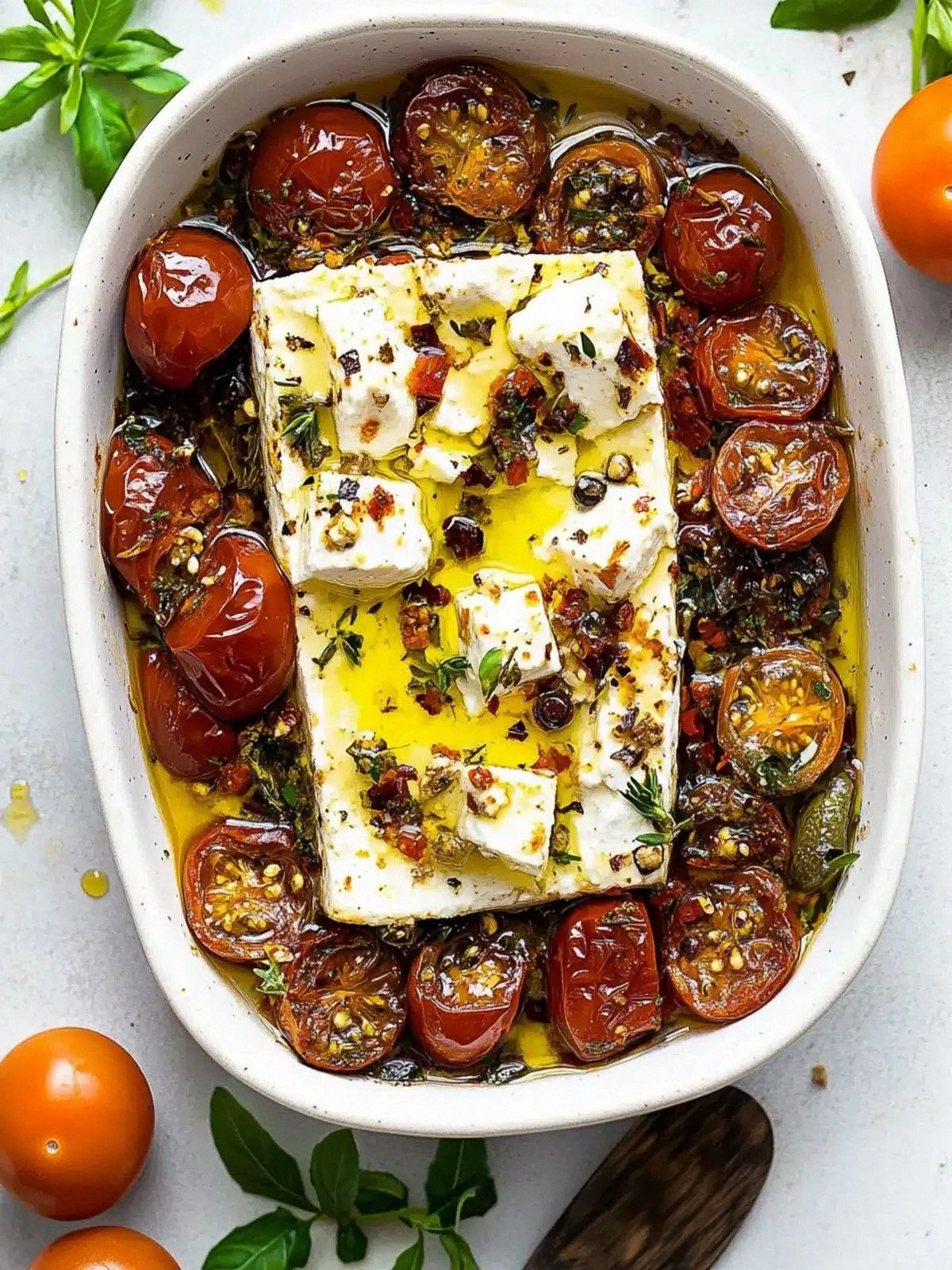
- Visual Appeal: The golden edges, the glossy olive oil sheen, and the pop of green parsley make this dish a feast for the eyes before it even hits the palate.
- Ease: No complicated prep or exotic ingredients—just a handful of pantry staples and a quick 25‑minute bake.
- Versatility: It works as a crowd‑pleasing starter, a side for grilled meats, or a topping for bruschetta and flatbreads.
- Make‑ahead Potential: You can bake it in advance and reheat quickly, making it ideal for parties where you want to serve fresh yet minimal last‑minute prep.
- Ingredient Quality: Using a high‑quality feta and fresh olives elevates the dish, ensuring that each bite feels premium.
- Herb Harmony: The trio of oregano, thyme, and rosemary creates a fragrant backdrop that enhances every other flavor.
Alright, let's break down exactly what goes into this masterpiece...
Inside the Ingredient List
The Flavor Base
Feta is the heart of this dish. Its briny tang and firm crumby texture provide the perfect contrast to the soft, runny center that develops when baked. Skipping feta would mean losing the essential salty depth that anchors the entire flavor profile. For those who prefer a milder taste, look for a feta with a lower salt content, but be sure to adjust the seasoning accordingly.
The Texture Crew
Olives and sun‑dried tomatoes are not just garnish—they’re the chewy, burst‑of‑flavor elements that keep each bite interesting. Olives add a briny pop that cuts through the richness of the feta, while sun‑dried tomatoes contribute a sweet, slightly tangy chew that balances the dish. If you can’t find fresh olives, a good quality jarred variety will work just fine; just rinse them to reduce excess salt.
The Unexpected Star
Olive oil is the secret sauce that ties everything together. It melts the feta into a silky texture and helps the herbs distribute evenly throughout the dish. Using a high‑quality extra virgin olive oil adds a peppery finish that elevates the entire experience. A splash of lemon juice can also brighten the flavors if you want a slightly zesty finish.
The Final Flourish
Fresh parsley, cracked pepper, and a pinch of kosher salt are the finishing touches that bring the dish to life. Parsley adds a pop of color and a fresh, herbal note that lifts the heaviness of the baked feta. Pepper provides a subtle heat that contrasts the mellow feta, while salt rounds out the flavors without overpowering them. Don’t be tempted to over‑season; the feta and olives already provide plenty of salt.
Everything's prepped? Good. Let's get into the real action...
The Method — Step by Step
- Preheat your oven to 400°F (200°C). Line a small baking dish with parchment paper for easy cleanup. Arrange the feta block in the center of the dish, leaving a little space around the edges so the olive oil can pool. This step ensures even heat distribution and prevents the feta from sticking.
- In a small bowl, combine the olives, sun‑dried tomatoes, minced garlic, oregano, thyme, rosemary, and olive oil. Stir until the ingredients are well coated. This mixture will sit atop the feta, creating a savory, aromatic crust. If you’re short on time, use a pre‑minced garlic or a garlic press for a quick finish.
- Carefully spoon the olive mixture over the feta, making sure it’s evenly distributed. The olive oil should seep into the gaps, creating a glossy sheen that looks as good as it tastes. As the mixture cooks, the oil will help the feta melt into a creamy, velvety center.
- Sprinkle the cracked pepper and a pinch of kosher salt over the top. The pepper adds a subtle heat that contrasts the mellow feta, while the salt enhances the overall flavor. Remember: feta is already salty, so a light hand is best.
- Bake in the preheated oven for 18–20 minutes. The feta should be golden around the edges, with a slightly bubbling, molten center. The olives will start to soften, and the sun‑dried tomatoes will release their sweet juices. Keep an eye on the dish; the goal is a beautiful golden crust, not a burnt one.
- Remove the dish from the oven and let it rest for 5 minutes. This short rest allows the flavors to settle and the feta to thicken slightly, making it easier to scoop. It also gives the olive oil a chance to emulsify fully with the herbs.
- Garnish with fresh chopped parsley. The parsley adds a burst of color and a fresh herbal note that lifts the dish. It also provides a nice contrast to the golden crust.
- Serve immediately with sliced French bread or crostini. The bread should be toasted to a crisp so it can absorb the creamy feta sauce without becoming soggy. The combination of warm bread and molten feta is a match made in culinary heaven.
That's it—you did it. But hold on, I've got a few more tricks that'll take this to another level...
Insider Tricks for Flawless Results
The Temperature Rule Nobody Follows
Many people bake feta at 350°F, but that low heat can cause the cheese to dry out before the olive mixture sets. Baking at 400°F creates a quick, even crust that locks in moisture. If your oven runs hot, lower the temperature to 375°F and extend the baking time by a couple of minutes.
Why Your Nose Knows Best
The smell of feta melting in the oven is a cue that the dish is almost ready. When the aroma turns from sharp to sweet and buttery, the feta has reached its peak. Trust that scent to avoid under‑cooking.
The 5-Minute Rest That Changes Everything
Letting the baked feta sit for 5 minutes after the oven allows the flavors to meld and the feta to set into a perfect, scoop‑ready consistency. It also prevents the olive oil from separating, giving you a more cohesive sauce.
Use a Foil Tent for Even Baking
Covering the dish loosely with foil during the first 10 minutes of baking helps the feta melt evenly without burning the top. Remove the foil for the last 5–7 minutes to let the crust form.
Keep Your Bread Toasted
If you prefer a crunchier bite, toast your bread slices in a dry skillet or under a broiler before serving. This ensures the bread remains crisp even after soaking in the creamy sauce.
Creative Twists and Variations
This recipe is a playground. Here are some of my favorite ways to switch things up:
Mediterranean Toast
Swap the French bread for a crusty baguette and add a drizzle of balsamic glaze after baking. The sweet acidity complements the feta’s saltiness and adds a caramelized finish.
Spicy Kick
Add a pinch of red pepper flakes or a splash of harissa to the olive mixture. The heat balances the creamy feta and gives the dish a modern, fiery edge.
Herb Garden
Replace rosemary with fresh basil or mint for a lighter, fresher flavor profile. The bright herbs lend a refreshing bite that’s perfect for summer gatherings.
Cheese Swap
Use a block of goat cheese or a mixture of feta and ricotta for a different texture. The goat cheese adds a tangy creaminess that pairs well with the olives.
Sweet & Salty Surprise
Stir in a handful of chopped dried apricots or figs before baking. The natural sweetness balances the feta’s saltiness and creates a complex flavor profile.
Gluten‑Free Option
Serve the baked feta over toasted gluten‑free bread or with a side of roasted vegetables. This keeps the dish safe for those with dietary restrictions without compromising flavor.
Storing and Bringing It Back to Life
Fridge Storage
Cool the baked feta to room temperature, then cover it tightly with plastic wrap or an airtight container. Store in the refrigerator for up to 3 days. The feta will stay creamy, and the olives will keep their bite.
Freezer Friendly
Wrap the cooled dish in foil and place it in a freezer bag. Freeze for up to 2 weeks. When ready to serve, thaw in the refrigerator overnight and reheat in a preheated oven at 350°F for 10 minutes.
Best Reheating Method
Reheat the baked feta in a shallow oven or microwave, adding a tiny splash of water before heating. The water steams the feta, restoring its silky texture without drying it out. Serve immediately with fresh bread.