I was standing in the middle of a kitchen that looked like a war zone after attempting to recreate a fancy restaurant dish that I had seen on a food channel. The pot was overflowing, the onions had turned to caramelized charcoal, and the entire room smelled like burnt garlic. I sighed, realizing that the only thing left to salvage was the humble chickpeas that had been sitting in the pantry all week. Suddenly, a thought hit me: what if I could turn this chaotic mess into something comforting, hearty, and utterly irresistible?
I pulled out my trusty skillet, added a splash of olive oil, and tossed in diced carrots and celery. The sizzle that erupted was a symphony of crispness that promised a foundation of flavor. I added sliced leek and minced garlic, letting their aromas mingle like a fragrant bouquet. As the vegetables softened, I felt the tension melt away, replaced by anticipation of something warm and satisfying.
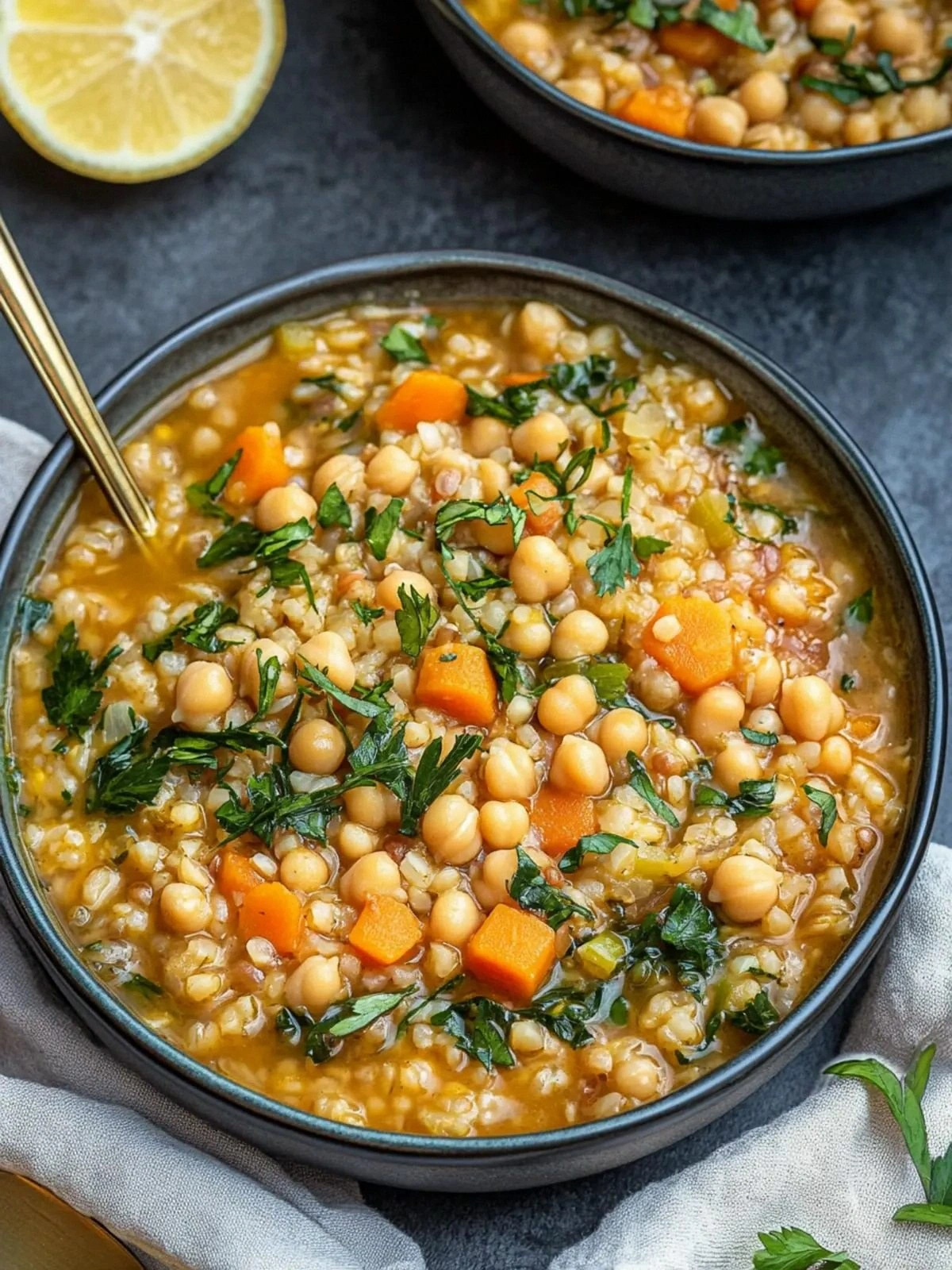
Then I introduced pearl barley, those tiny, translucent pearls that have a nutty crunch when cooked just right. I poured in vegetable stock, and the mixture began to bubble like a gentle cauldron of comfort. I added the chickpeas, letting them soak up the savory broth, and finished with a squeeze of fresh lemon and a handful of dill. The result was a stew that looked like a golden sunset, ready to be devoured.
I dared myself to taste it, and the first spoonful was a revelation—earthy barley, sweet chickpeas, bright lemon, and a subtle herbal whisper. I laughed, because I knew I was onto something that would make every family gathering feel like a cozy campfire. I promised myself that this would become a staple, a go‑to comfort dish that outshines the usual bowl of soup. Let me walk you through every single step—by the end, you'll wonder how you ever made it any other way.
What Makes This Version Stand Out
- Flavor Depth: The combination of lemon, dill, and toasted barley creates a layered taste that lingers on the palate. Each spoonful reveals a new nuance, from bright citrus to earthy grains.
- Texture Harmony: The barley remains slightly chewy while the chickpeas stay tender, producing a delightful contrast that keeps the stew engaging. The vegetables soften just enough to blend without losing bite.
- Simplicity Wins: With only twelve ingredients, this recipe is a triumph of minimalism. No fancy sauces or exotic spices are needed—just quality staples.
- Ingredient Integrity: Every component is used in its purest form, preserving natural flavors. No artificial additives, just wholesome food.
- Crowd Appeal: Whether you’re feeding a family or a group of friends, the stew’s comforting nature makes it a hit. It’s vegan, gluten‑free, and can be adapted to suit any dietary preference.
- Make‑Ahead Magic: The flavors deepen overnight, making it perfect for meal prep. Reheat and it’s as good as fresh.
- Seasonal Flexibility: While it shines in autumn, it can be enjoyed year‑round, especially during cooler evenings.
Alright, let's break down exactly what goes into this masterpiece...
Inside the Ingredient List
The Flavor Base
Olive oil is the first to enter the pot, acting as a carrier for the aromatics. Its mild, fruity profile elevates the dish without overpowering the other flavors. If you’re watching calories, swap it for a splash of vegetable oil—taste remains largely unchanged. A high‑smoke‑point oil like grapeseed works well if you want to sauté at a slightly higher temperature.
Carrots bring natural sweetness and a subtle earthiness that balances the acidity of lemon. Cutting them into uniform dice ensures even cooking and a consistent bite. If you’re in a hurry, pre‑dice them or use frozen carrot cubes; just reduce the sauté time by a minute.
Celery adds a peppery crunch and a fresh, herbal note that cuts through the richness of the broth. Choose firm stalks to maintain their structure; wilted celery will lose its bite. For a milder flavor, use baby celery or trim the ends.
Leek is the unsung hero of many soups, delivering a gentle onion‑like sweetness that deepens the stew’s complexity. Slice it into rings and rinse thoroughly to remove grit. If you prefer a stronger leek flavor, double the amount or leave the white part a bit thicker.
Garlic is the aromatic backbone of the dish, infusing every component with its pungent warmth. Finely chopping ensures quick release of flavor without leaving large, uneven pieces. For a milder garlic profile, use a smaller clove or sauté until just fragrant, not browned.
The Texture Crew
Pearl barley is the star of the texture lineup. Its chewy, nutty bite provides a satisfying contrast to the soft chickpeas. Rinse the barley under cold water before cooking to remove any dust or debris that may have accumulated during storage.
Vegetable stock is the liquid canvas that binds all the elements together. A homemade stock will give a richer, more nuanced flavor, but a quality store‑bought version works well if time is limited. If you’re watching sodium, opt for a low‑sodium or no‑salt‑added stock.
Chickpeas add protein, fiber, and a subtle nutty sweetness. Canned chickpeas are the most convenient option, but if you have a pressure cooker, using dried chickpeas will give a firmer texture. Drain and rinse them before adding to the pot to remove excess sodium.
Fresh lemon juice brightens the stew, cutting through the earthiness of barley and chickpeas. Use a fresh squeeze rather than bottled to avoid artificial additives and to capture that vibrant citrus zing. If you prefer a slightly sweeter lemon, add a pinch of sugar or honey.
Fresh dill is the finishing flourish that lifts the stew with its bright, slightly piney aroma. Chop it finely to release its oils and distribute the flavor evenly. If dill is out of season, parsley can be a suitable substitute, though the flavor profile will shift slightly.
Salt and pepper are the final adjustments that tie everything together. Salt enhances the natural sweetness of the vegetables, while pepper adds a subtle heat. Taste as you go; a little goes a long way.
Everything's prepped? Good. Let's get into the real action...
The Method — Step by Step
- Heat 2 tablespoons of olive oil in a large pot over medium heat until shimmering. Add 1 diced carrot and 2 diced celery stalks, sautéing until the vegetables start to soften, about 5 minutes. The aroma should be sweet and inviting, signaling that the base is forming. Stir occasionally to prevent sticking.
- Introduce 1 sliced leek and 3 finely chopped garlic cloves. Cook until the leek turns translucent and the garlic releases its fragrance, roughly 2 minutes. Watch the garlic closely; a golden hue means it's ready. This step builds the aromatic foundation.
- Stir in 1 cup of pearl barley, coating each grain with oil and vegetables. Toast the barley for 1–2 minutes until the edges develop a light golden brown. The toasted aroma signals nutty undertones that will enrich the stew. This is where the barley starts to sing.
- Pour in 4 cups of vegetable stock, bringing the mixture to a gentle simmer. Add 1 can of drained chickpeas, 1 lemon’s worth of juice, and 0.25 cup of chopped fresh dill. Stir to combine and let the flavors marry for 5 minutes. The broth should bubble softly, not boil vigorously.
- Reduce heat to low, cover the pot, and let the stew simmer for 25 minutes, stirring occasionally. The barley should absorb the liquid and become tender yet still chewy. Keep an eye on the pot; if the liquid reduces too quickly, add a splash of water.
- Season with salt and pepper to taste. Adjust the lemon juice if you prefer a sharper citrus note. The stew should taste bright, savory, and balanced, with each element shining.
- For a thicker consistency, remove the lid and simmer uncovered for an additional 5 minutes, allowing the broth to reduce slightly. The flavors will intensify, and the stew will become more hearty.
- Taste and adjust seasoning if needed. The final dish should be comforting, with a pleasant mix of textures and a bright, herbaceous finish. Serve hot, garnished with a few extra dill sprigs if desired.
- Optional: Finish with a drizzle of olive oil or a sprinkle of grated Parmesan for an extra layer of richness. This final touch elevates the stew from simple to sublime.
That's it — you did it. But hold on, I've got a few more tricks that'll take this to another level...
Insider Tricks for Flawless Results
The Temperature Rule Nobody Follows
Many cooks think high heat is always better, but for this stew, medium heat preserves the integrity of the barley and chickpeas. Keeping the simmer gentle ensures even cooking and prevents the barley from becoming mushy. A quick test: if the liquid is too thick, add a splash of stock or water to maintain a silky broth.
Why Your Nose Knows Best
The aroma is the first indicator of flavor development. When the leek and garlic release a sweet, nutty scent, the base is ready. If the smell is sharp or metallic, let it cook longer to mellow out.
The 5-Minute Rest That Changes Everything
After simmering, let the stew rest for 5 minutes off the heat. This allows the flavors to settle and the barley to finish absorbing liquid, resulting in a more cohesive dish.
The Secret of Fresh Lemon
Freshly squeezed lemon adds a bright, clean acidity that balances the earthiness of barley. If you’re out of lemons, a splash of white wine vinegar can mimic the acidity, but the flavor will be slightly different.
The Barley Boost
Rinse pearl barley before cooking to remove dust and any residual starch. This simple step prevents a gritty texture and ensures a cleaner, more pleasant mouthfeel.
The Salt Balancer
Add salt at the end of cooking to avoid bitterness that can develop if salt is added too early. Taste as you go, and remember that you can always add more, but you can’t take it out.
Creative Twists and Variations
This recipe is a playground. Here are some of my favorite ways to switch things up:
Spicy Kick Variation
Add a pinch of crushed red pepper flakes or a diced jalapeño during the sauté stage. The heat will contrast with the sweet barley, creating a bold flavor profile that excites the palate.
Mediterranean Twist
Swap dill for oregano and add a handful of sun‑dried tomatoes. The Mediterranean herbs and tangy tomatoes give the stew a sunny, vacation‑like vibe.
Creamy Coconut Variation
Replace half of the vegetable stock with coconut milk for a silky, tropical richness. The coconut pairs beautifully with chickpeas and lemon, adding depth without overpowering.
Protein-Packed Power
Add diced tofu or tempeh during the simmer. The protein boost makes the dish more filling and satisfies the carnivorous cravings of a meatless meal.
Vegan BBQ Flavor
Stir in a tablespoon of smoked paprika and a splash of maple syrup after simmering. The smoky sweetness mimics barbecue, turning the stew into a smoky, savory delight.
Autumn Harvest Edition
Incorporate roasted butternut squash cubes and a dash of sage. The sweet squash and earthy sage capture the essence of fall in every spoonful.
Storing and Bringing It Back to Life
Fridge Storage
Transfer the stew to an airtight container and refrigerate for up to 4 days. The flavors will mellow, and the barley will retain its chewy texture. Keep it at 4°C or lower to preserve freshness.
Freezer Friendly
Cool the stew completely before freezing in single‑serving portions. Store for up to 3 months in the freezer. Thaw overnight in the refrigerator or use the microwave’s defrost setting.
Best Reheating Method
Reheat on low heat, stirring occasionally, until hot. Add a splash of water or stock to restore moisture. The stew should be steaming, not boiling, to preserve texture.