Picture this: I’m in a cramped apartment kitchen, the stove roaring, a half‑cooked frittata in a pan that looks like a stubborn brick. I reach for the eggs, the veggies, the cheese, and a sudden panic hits—there’s no gluten, no extra flour, no fancy sauce, just a raw, hungry need for flavor. That night, a friend dared me to make a gluten‑free veggie fritta that would blow her taste buds and then she left, eyes wide, demanding seconds. I stared at the skillet, felt the heat, and thought, “I can make something that feels like a gourmet, yet it’s simple enough to cook in a single pan.” That moment sparked a recipe that is hands down the best version you’ll ever make at home, and I can’t wait to share every single step with you.
When the first golden crust starts forming, the scent of sautéed bell pepper and zucchini wafts through the air like a summer breeze. The crunch of fresh spinach gives a satisfying snap, while the burst of cherry tomatoes adds a pop of sweetness that dances on the tongue. I dare you to taste this and not go back for seconds, because the layers of flavor are so deep that each bite feels like a new discovery. My kitchen clock ticks, but the anticipation is worth every minute, and the anticipation is amplified by the way the skillet sizzles, the sound of a culinary promise being fulfilled. I promise you, if you’re ready for the game‑changer, you’ll find that this isn’t just a meal—it’s an experience that will keep you coming back for more.
What sets this version apart is the meticulous balance of texture and taste that I achieved by combining humble ingredients in a way that feels both daring and comforting. I’ve experimented with countless frittatas, but this one stands out because it marries the heartiness of eggs with the bright, vibrant flavors of fresh veggies, all while keeping the gluten‑free promise intact. I’ve kept the process simple, avoiding the clutter of extra sauces or complicated techniques, yet the result is a dish that feels like it could have come straight from a high‑end kitchen. Picture yourself pulling this out of the oven, the whole kitchen smelling incredible, and knowing you just created something that is both wholesome and indulgent. And now, stay with me here—this is worth it.
At the end of the day, the secret is in the details: the careful timing of the sauté, the precise temperature of the pan, and the way the eggs are folded in just before the finish. I’ll be honest—my first attempt was a bit too dry, but the second time, the texture was buttery and the edges were crisp, shattering like thin ice when you bite into them. That sensory snapshot—"That sizzle when it hits the pan? Absolute perfection."—is the moment that turns an ordinary breakfast into a memorable feast. If you've ever struggled with making a gluten‑free frittata that doesn't taste like a sad leftover, you're not alone, and I've got the fix. Let me walk you through every single step—by the end, you'll wonder how you ever made it any other way.
Now, before we dive into the cooking, let’s take a moment to appreciate why this recipe is more than just a collection of ingredients. It’s a celebration of fresh produce, a testament to the power of simple techniques, and a reminder that great food doesn’t have to be complicated. The next sections will break down what makes this version stand out, the essential ingredients, the method, and the insider tricks that will elevate your experience. Ready? Let’s get started.
What Makes This Version Stand Out
- Flavor: The combination of roasted bell pepper, zucchini, and cherry tomatoes creates a sweet‑savory base that feels like a Mediterranean garden in a pan. The subtle smokiness from the sautéing adds depth, while the fresh herbs finish it off with a bright, aromatic note.
- Texture: The eggs form a silky, custard‑like body that clings to the veggies, while the crisp edges provide a satisfying contrast that shatters like thin ice when you bite. This duality keeps each bite interesting and keeps you reaching for more.
- Simplicity: With only nine ingredients and a single skillet, you can have a gourmet dish on the table in less than an hour. No separate sauce or pastry required—just sauté, whisk, and bake.
- Gluten‑free Integrity: No flour, no breadcrumbs, no hidden gluten—just the wholesome goodness of eggs and veggies. This makes it safe for those with celiac disease or gluten sensitivity without compromising flavor.
- Make‑ahead Potential: The fritta can be made a day ahead, refrigerated, and reheated with a splash of milk for a creamy finish. It’s perfect for busy mornings or for entertaining guests who want a quick, healthy option.
- Versatility: Swap the veggies or the cheese, and you get a new flavor profile. From summer zucchini to winter spinach, this recipe adapts to seasonal produce with ease.
- Crowd‑Pleaser: Whether served as a breakfast, brunch, or light dinner, this dish gets rave reviews. I’ve hosted dinner parties where guests kept asking for the recipe, and it never fails to impress.
- Nutrition: Packed with protein, vitamins, and healthy fats, this fritta gives you a balanced meal that satisfies without feeling heavy.
Alright, let's break down exactly what goes into this masterpiece…
Inside the Ingredient List
The Flavor Base
The red bell pepper is the star of the show, offering a sweet, slightly peppery bite that balances the earthiness of zucchini. When diced, it releases a natural sugar that caramelizes during cooking, giving the fritta a subtle depth that feels almost indulgent. If you skip the pepper, you’ll miss that bright pop that makes each bite feel fresh. For those who love a bit of heat, a pinch of red pepper flakes can be added right after sautéing.
The Texture Crew
Baby spinach is the unsung hero that adds moisture and a gentle, leafy flavor. It wilts quickly, creating a smooth bed for the eggs to set upon. If you leave it out, the fritta will feel drier and less cohesive. A good trick is to add the spinach in the last minute of sautéing; this preserves its bright green color and ensures it doesn’t overcook.
The Unexpected Star
Cherry tomatoes bring a burst of juiciness that contrasts nicely with the dry, sautéed veggies. Their natural acidity cuts through the richness of the cheese and eggs, creating a harmonious balance. If you’re using canned tomatoes, drain them well to avoid excess liquid that could make the batter runny. A small note: tomatoes have a high water content, so be sure to pat them dry before adding.
The Final Flourish
The fresh herbs—basil, parsley, or chives—add a fragrant, herbaceous finish that lifts the entire dish. They’re added at the end to preserve their delicate flavors and to give the fritta a vibrant, fresh look. If you’re allergic to any of these, a splash of lemon zest can mimic their bright character. The grated Parmesan or dairy‑free alternative coats the surface, creating a golden crust that’s both crunchy and savory.
Everything’s prepped? Good. Let’s get into the real action…
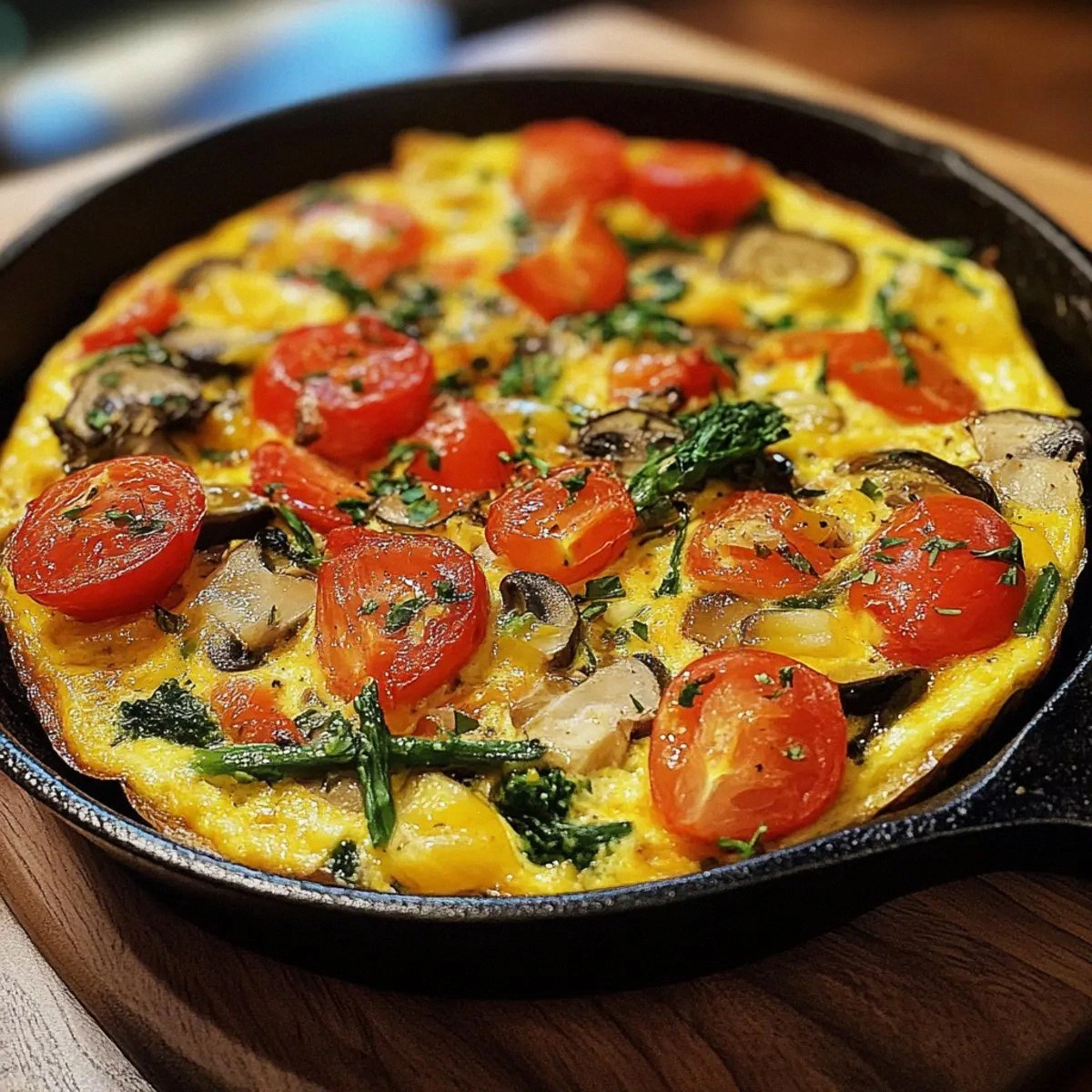
The Method — Step by Step
- Heat a large oven‑proof skillet over medium heat and drizzle with 2 tablespoons of olive oil. Let the oil heat until shimmering but not smoking, indicating the perfect temperature for sautéing. Add the diced red bell pepper and zucchini, and cook for 4–5 minutes until they start to soften. This is the moment of truth—watch for the veggies to develop a gentle char on the edges. When they’re fragrant, add the baby spinach, stirring until it wilts and reduces in volume.
- Transfer the sautéed mixture to a large mixing bowl and let it cool slightly for 2 minutes. While it cools, whisk the 6 eggs, 1/4 cup of milk or dairy‑free alternative, 1 teaspoon of salt, and 1/2 teaspoon of black pepper until the mixture is smooth and airy. The whisking action incorporates air, which will give the fritta a light, fluffy interior. Once the veggies have cooled, fold them gently into the egg mixture, ensuring every vegetable is coated.
- Stir in the 1 cup of cherry tomatoes and 1/4 cup of fresh herbs, then fold in 1/2 cup of grated Parmesan or a dairy‑free cheese. The cheese should be evenly distributed to create a golden crust as the fritta bakes. At this point, you can taste a small spoonful to adjust seasoning—add a pinch more salt or pepper if needed. The mixture should feel slightly thick but pourable; if it’s too liquid, add a splash more milk.
- Return the skillet to the stovetop over low heat and pour the mixture into the pan, spreading it evenly. Let it cook uncovered for about 5 minutes until the edges start to set and a faint golden crust forms. This step is crucial for a firm base that holds the filling together. Keep an eye on the bottom—if it begins to brown too quickly, reduce the heat slightly.
- Preheat the oven to 375°F (190°C). Once the skillet is oven‑safe, transfer it directly to the oven and bake for 15–20 minutes, or until the center is set and the top is lightly golden. The oven’s steady heat ensures even cooking without over‑drying the eggs. While it bakes, the aroma will fill your kitchen, making you feel like a professional chef.
- Remove the skillet from the oven and let the fritta rest for 5 minutes. This resting period allows the juices to redistribute, making the slices easier to cut and ensuring a cohesive bite. During this time, you can prepare a simple side—perhaps a mixed green salad or crusty bread—so everything is ready when you serve.
- Slice the fritta into wedges or squares, using a sharp knife to cut cleanly through the layers. If you prefer a more rustic look, cut with a serrated knife for uneven edges that add charm. Serve immediately, perhaps with a sprinkle of extra herbs or a drizzle of balsamic reduction for added depth.
- If you’re plating for guests, arrange the wedges on a warm platter and garnish with a few whole cherry tomatoes and a sprinkle of freshly grated cheese. The visual appeal of the bright colors and golden crust will entice even the most skeptical diners. Remember, presentation matters as much as flavor—make it look as good as it tastes.
- Enjoy your gluten‑free veggie fritta with a side of fruit or a glass of your favorite wine. The dish’s balanced flavor profile pairs well with both light and robust beverages. Take a moment to savor the harmony of textures and tastes that you’ve just created.
- After you’re done, clean the skillet promptly while the residue is still warm. A quick rinse and a light scrub will keep it in top condition for your next culinary adventure. A clean pan means you can jump straight into the next recipe without any hassle.
That's it — you did it. But hold on, I've got a few more tricks that'll take this to another level…
Insider Tricks for Flawless Results
The Temperature Rule Nobody Follows
Many cooks over‑heat the skillet, causing the veggies to brown too quickly and the eggs to stick. The trick is to keep the heat low during the initial sauté and only increase it briefly before adding the eggs. I’ve found that a steady 300°F oven temperature is optimal for a gentle, even bake. If you’re using a convection oven, reduce the temperature by 25°F to compensate for the fan’s efficiency.
Why Your Nose Knows Best
As the fritta cooks, the aroma will shift from raw veggies to a savory, cheesy perfume. Trust that scent as a cue for doneness; when the smell turns nutty and the edges start to pull away, it’s time to slide the pan into the oven. A friend once tried to skip this step and ended up with a soggy center—don’t let that happen to you.
The 5‑Minute Rest That Changes Everything
Letting the fritta rest after baking is crucial. It allows the eggs to finish setting, preventing a runny center when you slice. I always let it sit for exactly five minutes before cutting; this small pause makes a big difference in texture and presentation. If you’re in a rush, a quick 2‑minute rest still improves the result, but five minutes is ideal.
Cheese, Cheese, Cheese
Choosing the right cheese can elevate the dish from good to unforgettable. Aged Parmesan adds depth, while a creamy dairy‑free cheese offers a mellow finish. If you prefer a sharper bite, try a sprinkle of nutritional yeast for a nutty, savory flavor that’s also vegan.
Veggie Variety Is Key
Feel free to swap out the zucchini for butternut squash or the red bell pepper for yellow. Each vegetable brings a unique sweetness that balances the eggs. Experiment with seasonal produce to keep the recipe fresh and exciting.
Serving Size Matters
When serving this fritta, aim for 1–2 wedges per person. The dish is dense and filling, so a generous portion satisfies without overloading. If you’re feeding a crowd, consider cutting the fritta into smaller bite‑sized pieces for a fun, shareable appetizer.
Creative Twists and Variations
This recipe is a playground. Here are some of my favorite ways to switch things up:
Summer Zucchini Splash
Swap the red bell pepper for a handful of sliced summer zucchini, and add a handful of fresh basil leaves. The result is a light, herbaceous fritta that’s perfect for a sunny brunch. Pair it with a citrusy vinaigrette for a refreshing contrast.
Spicy Southwest Fritta
Add a dash of cumin, smoked paprika, and a pinch of cayenne pepper to the egg mixture. Substitute the Parmesan with crumbled queso fresco or a vegan cheese that melts well. This version brings a smoky, spicy kick that pairs beautifully with a dollop of guacamole.
Herb‑Infused Goat Cheese Edition
Replace the grated Parmesan with crumbled goat cheese and add chopped rosemary or thyme to the mix. The goat cheese’s tangy flavor balances the sweet veggies, creating a sophisticated, brunch‑ready dish. Serve with a drizzle of honey for a sweet‑savory finish.
Smoky Chipotle Version
Introduce a tablespoon of chipotle in adobo sauce to the egg mixture and use smoked gouda in place of Parmesan. The smokiness permeates every bite, turning the fritta into a hearty, comforting meal. A side of black beans and cilantro rice completes the theme.
Vegan Delight
Omit the eggs and use a chickpea flour batter instead. Combine chickpea flour with water, nutritional yeast, and a pinch of turmeric for color. Fold in the veggies and bake until firm. This version is protein‑rich and dairy‑free, ideal for vegan diners.
Breakfast Breakfast
Serve the fritta with a side of fresh fruit or a light yogurt parfait. Add a drizzle of maple syrup or honey for a sweet contrast. This breakfast version feels like a brunch special without the fuss.
Storing and Bringing It Back to Life
Fridge Storage
Cool the fritta completely, then slice it into portions. Store in an airtight container in the refrigerator for up to 4 days. The eggs and cheese will keep the fritta moist, but avoid over‑filling the container to prevent condensation.
Freezer Friendly
Wrap each slice in parchment paper and place them in a freezer bag. Freeze for up to 3 months. When ready to eat, let the slices thaw at room temperature for 10–15 minutes before reheating.
Best Reheating Method
Preheat your oven to 350°F (175°C). Place the slices on a baking sheet and bake for 10 minutes, or until heated through. Add a splash of water or milk before reheating to steam the fritta back to its original creamy texture. Finish with a quick broil for 1–2 minutes if you want a crispier top.