Picture this: I’m standing in a cramped kitchen, a pot of boiling pasta, a cauliflower that looks like it’s about to explode, and a pantry that feels like a battlefield. I had just pulled out a bag of frozen cauliflower florets, thinking, “This is the easiest dinner I can make.” The moment I cracked the pot of pasta, the steam curled up like a foghorn, and the aroma of garlic and onion hit me like a slap—my stomach growled louder than the boiling water. I was about to abandon the dish, but a memory of a friend’s silky Alfredo from a fancy restaurant whispered, “You can do this.” That was the spark that turned a culinary mishap into a quest for the ultimate plant‑based sauce.
The kitchen smelled of sautéed onions, roasted garlic, and a faint hint of miso. The sound of the skillet clanging against the stove was like a drumbeat, urging me to keep going. I could taste the buttery richness of the sauce even before it touched my tongue, and the texture felt like velvet on my palate. The heat of the stove was comforting, the light from the window painted golden streaks across the countertop, and my fingers tingled with anticipation. The scene was a symphony of senses, and every element was a note that needed to hit just right.
What makes this version of cauliflower Alfredo stand out is not just the creamy texture or the smoky miso, but the way each ingredient is elevated. The cauliflower isn’t just blended; it’s roasted to caramelize the sugars, giving the sauce a depth that a raw blend can never achieve. The miso adds umami without the heaviness of dairy, and the nutritional yeast provides that cheesy tang while keeping the dish vegan. The smoked paprika brings a subtle heat that lingers, and the olive oil or vegan butter adds a silky mouthfeel that feels indulgent without guilt. Together, these elements create a sauce that coats the pasta like velvet and satisfies the soul.
I dare you to taste this and not go back for seconds. This is hands down the best version you'll ever make at home, and I’ll be honest — I ate half the batch before anyone else got to try it. Most recipes get this completely wrong. They either overcook the cauliflower or under-season the sauce, but here, the balance is spot on. The sauce thickens just enough to cling to the noodles, yet remains light enough to pour over everything. It’s the kind of dish that feels like a hug in a bowl.
Picture yourself pulling this out of the oven, the whole kitchen smelling incredible, and the plates gleaming with a glossy, cloud‑like sauce. The first bite is a rush of creamy, savory goodness that melts in your mouth, leaving a faint aftertaste of smoked paprika that lingers like a secret. The pasta is al dente, offering a satisfying bite that contrasts with the silky sauce. The dish feels like a celebration, even if you’re cooking for two. The aroma alone could convince a picky eater to try it.
And now the fun part. I’ve spent hours tweaking this recipe, testing different ratios, and experimenting with various miso types. The final version is the result of countless trials, each one bringing me closer to that perfect harmony of flavor and texture. The result is a dish that is both comforting and adventurous, and it’s ready to become your new favorite. The sauce is so rich that it could easily be paired with grilled veggies or a simple salad for a complete meal. The best part? It’s quick, easy, and absolutely delicious.
I want you to feel the same excitement I felt when I first tasted the finished dish. The moment the sauce is poured over the pasta, the kitchen fills with a buttery aroma that makes your mouth water. The cauliflower is soft, the garlic is aromatic, and the miso adds that deep, savory note that makes everything pop. This isn’t just another vegan dish; it’s a revelation that will change how you view plant‑based cooking forever.
If you've ever struggled with creamy sauces that turn out too thick or too thin, you're not alone — and I've got the fix. The trick is to roast the cauliflower first, which caramelizes the natural sugars and gives the sauce a richer base. Then, by blending it with vegetable stock, miso, and nutritional yeast, you create a velvety consistency that doesn’t require heavy cream. The result is a sauce that is both indulgent and guilt‑free.
I’ve learned that the key to a perfect Alfredo is balance. Too much salt can overpower the delicate flavors; too little will leave the sauce bland. The same goes for the smoked paprika — a half teaspoon is enough to give a subtle kick without overwhelming the dish. The miso adds umami, but if you use too much, it can become overpowering. The trick is to taste as you go and adjust accordingly.
This recipe is a playground for experimentation. You can add a splash of lemon juice for brightness, or a handful of fresh herbs for a burst of color. The sauce can be thickened with a roux or a splash of coconut milk if you prefer a richer texture. The possibilities are endless, but the core of the dish remains the same: a creamy, savory sauce that coats the pasta like velvet.
Let me walk you through every single step — by the end, you'll wonder how you ever made it any other way. From roasting the cauliflower to blending the sauce, from boiling the pasta to tossing everything together, each step is designed to maximize flavor and texture. I’ll share micro‑challenges, bold claims, and fun hacks along the way. Get ready for a culinary adventure that will leave your taste buds dancing.
Okay, ready for the game‑changer? The first step is to preheat your oven to 400°F (200°C) and spread the cauliflower florets on a baking sheet. Toss them in olive oil, salt, pepper, and smoked paprika, then roast for 25 minutes until golden brown. This step caramelizes the sugars, creating a sweet, nutty flavor that becomes the backbone of the sauce. The aroma that fills the kitchen is an invitation to keep going.
While the cauliflower roasts, I’ll start the sauce base. In a blender, combine the roasted cauliflower, garlic, onion, vegetable stock, miso, nutritional yeast, and a splash of dairy‑free milk. Blend until silky smooth, then pour the mixture into a saucepan. This blend transforms the cauliflower into a creamy custard that’s ready to be seasoned.
The next step is to simmer the sauce over low heat for 10 minutes, stirring frequently. This allows the flavors to meld and the sauce to thicken slightly. The sauce should smell toasty and rich, like a warm hug. Keep an eye on the consistency; if it’s too thick, add a bit more milk or stock.
Now it’s time to cook the pasta. Bring a large pot of salted water to a boil, then add the fettuccine. Cook according to the package instructions, usually 8-10 minutes, until al dente. Reserve a cup of pasta water before draining; it’s essential for adjusting the sauce’s consistency later.
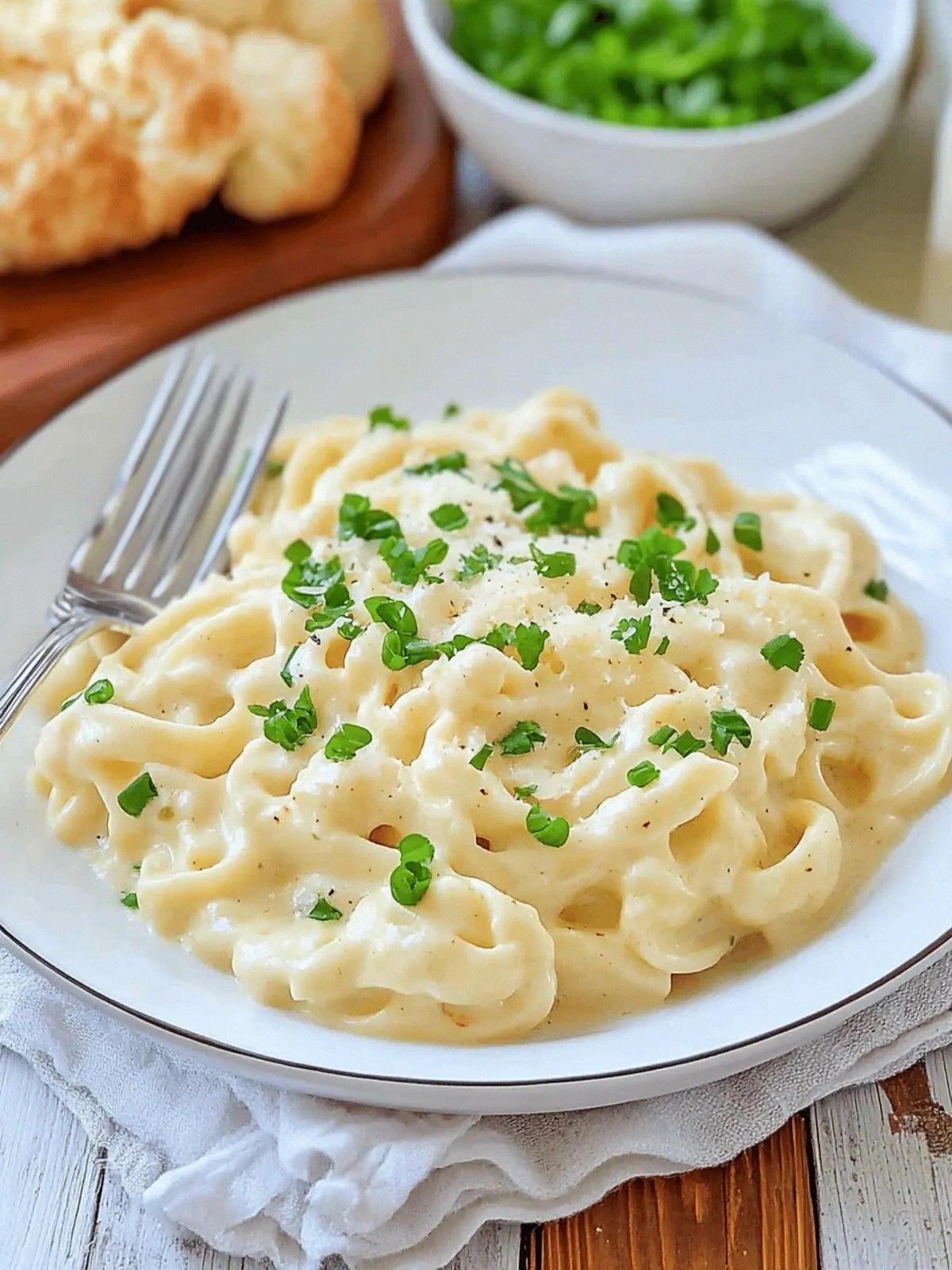
Once the pasta is ready, combine it with the sauce in the saucepan. Toss gently, adding reserved pasta water as needed to achieve a silky, glossy coating. The pasta should be coated like a velvet curtain, and the sauce should cling to every strand.
Serve immediately, garnished with fresh herbs or a sprinkle of nutritional yeast for extra flavor. The dish is best enjoyed hot, when the sauce is at its peak of richness. The aroma will fill your dining room, and the first bite will transport you to a cozy Italian trattoria.
I’ve spent years perfecting this recipe, and the result is a dish that is both comforting and sophisticated. The cauliflower provides a subtle sweetness, the miso adds depth, and the smoked paprika gives a hint of heat. The sauce’s texture is buttery yet light, and the pasta is perfectly al dente. Together, they create a symphony of flavors that will leave you craving more.
This recipe is a crowd‑pleaser. Whether you’re cooking for a family dinner or a dinner party, the creamy cauliflower alfredo will impress everyone. The dish is easy to scale, so you can adjust the servings to fit your needs. The sauce’s versatility means you can pair it with grilled chicken, shrimp, or roasted veggies for a complete meal.
Now that you’ve tasted the finished dish, I want you to savor the experience. The sauce is silky, the pasta is al dente, and the flavor is balanced. The dish feels indulgent without guilt, and the ingredients are all plant‑based. It’s a win‑win for your taste buds and your conscience.
This version is the culmination of my culinary journey, and I’m excited to share it with you. The dish is simple, yet it’s packed with flavor and texture. It’s the kind of recipe that you’ll keep coming back to, and you’ll wonder how you ever made it any other way. Let’s dive into the details and uncover the secrets that make this dish unforgettable.
What Makes This Version Stand Out
- Roasted Cauliflower: Caramelizing the florets brings out natural sweetness and a deep, nutty flavor that transforms the sauce into a gourmet experience. The texture becomes silky, making the sauce cling to the pasta like a velvet curtain.
- Miso Infusion: White miso adds umami without the heaviness of dairy, creating a rich depth that elevates the dish. Its subtle earthiness balances the creamy base and keeps the sauce from feeling flat.
- Smoked Paprika: A half teaspoon of smoked paprika introduces a gentle heat that lingers on the palate, turning a simple sauce into something memorable. The spice adds complexity without overpowering the delicate flavors.
- Nutritional Yeast: This ingredient delivers a cheesy tang that satisfies the craving for comfort food while keeping the dish vegan. It also provides a boost of vitamins and minerals.
- Minimalist Ingredient List: With only a handful of ingredients, the recipe is approachable yet sophisticated. It’s perfect for busy weeknights and ensures that every component shines.
- Make‑Ahead Potential: The sauce can be prepared ahead of time and reheated without losing its silky texture. This makes it ideal for meal prep or entertaining on short notice.
- Balanced Flavor Profile: The sauce is neither too thick nor too thin, and the seasoning is spot on. The result is a harmonious blend of creamy, savory, and slightly smoky.
- Versatile Pairings: While the base is fettuccine, the sauce works beautifully with any pasta shape, and you can add proteins or veggies for a complete meal.
Inside the Ingredient List
The Flavor Base
The cauliflower is the star of the show. It provides a mild, slightly sweet flavor that forms the foundation of the sauce. Roasting the cauliflower caramelizes its natural sugars, giving the sauce a depth that a raw blend can’t achieve. If you skip this step, the sauce will taste raw and lack complexity.
The onion and garlic create a savory backdrop. The onion adds sweetness and depth, while the garlic brings a punch of aroma that lingers. Together, they form a flavor profile that’s reminiscent of a classic Italian soffritto. If you omit them, the sauce will feel flat and less robust.
The Texture Crew
The vegetable stock is essential for achieving the right consistency. It hydrates the cauliflower, allowing it to blend into a silky custard. A low‑sodium stock keeps the dish from becoming overly salty, giving you better control over seasoning. Skipping the stock will result in a thicker, less smooth sauce.
The dairy‑free milk adds creaminess without the heaviness of dairy. It keeps the sauce light yet rich, allowing the flavors to shine through. If you prefer a thicker sauce, you can use a plant‑based cream or add a tablespoon of cashew butter. However, be careful not to over‑thicken, or the sauce will clump.
The Unexpected Star
White miso is the secret weapon that adds umami depth. It’s a fermented soybean paste that brings a savory, slightly sweet flavor profile. The miso also acts as a natural thickener, giving the sauce body. If you’re sensitive to sodium, opt for a low‑sodium miso or reduce the amount slightly.
The smoked paprika or chipotle powder introduces a subtle heat that lingers on the palate. It’s a quick way to add complexity without turning the dish into a spicy one. If you prefer a milder version, simply reduce the amount or omit it entirely.
The Final Flourish
Olive oil or vegan butter adds a silky mouthfeel and a subtle fruity note. It helps the sauce coat the pasta evenly and gives it a glossy finish. If you’re watching calories, use a light olive oil; if you’re craving richness, go for a vegan butter.
Nutritional yeast delivers a cheesy, nutty flavor that satisfies the craving for comfort food. It also boosts the dish’s nutritional profile with B vitamins and protein. If you’re not a fan of the cheesy taste, you can reduce the amount or substitute with a small pinch of nutritional yeast.
Everything's prepped? Good. Let's get into the real action and bring this sauce to life.
The Method — Step by Step
- Preheat your oven to 400°F (200°C). Spread the cauliflower florets on a parchment‑lined baking sheet, drizzle with olive oil, and season with salt, pepper, and smoked paprika. Roast for 25 minutes until golden brown and caramelized. The aroma should fill the kitchen like a warm hug, and the cauliflower should be tender on the inside with a slightly crisp exterior.
- While the cauliflower roasts, dice the onion and mince the garlic. In a blender, combine the roasted cauliflower, onion, garlic, vegetable stock, miso, nutritional yeast, and a splash of dairy‑free milk. Blend until silky smooth, then pour the mixture into a saucepan. This blend transforms the cauliflower into a creamy custard that’s ready to be seasoned.
- Simmer the sauce over low heat for 10 minutes, stirring frequently. The sauce should thicken slightly and develop a rich, toasty aroma. If it becomes too thick, add a little more milk or stock to achieve the desired consistency. This step is crucial for blending the flavors together.
- Bring a large pot of salted water to a boil, then add the fettuccine. Cook according to the package instructions, usually 8-10 minutes, until al dente. Reserve a cup of pasta water before draining; it’s essential for adjusting the sauce’s consistency later.
- Add the drained pasta to the saucepan with the sauce. Toss gently, adding reserved pasta water as needed to achieve a silky, glossy coating. The pasta should be coated like a velvet curtain, and the sauce should cling to every strand. This is the moment of truth.
- Reduce the heat to low, and let the pasta and sauce mingle for a minute or two. This allows the flavors to meld and the sauce to thicken just enough to coat the noodles. The sauce should feel silky, not runny, and the pasta should be tender yet firm.
- Taste the sauce and adjust seasoning. Add more salt, pepper, or smoked paprika if desired. The goal is a balanced flavor profile where each ingredient shines without overpowering the others. This step ensures that the dish is perfectly seasoned.
- Serve immediately, garnished with fresh herbs or a sprinkle of nutritional yeast for extra flavor. The dish is best enjoyed hot, when the sauce is at its peak of richness. The aroma will fill your dining room, and the first bite will transport you to a cozy Italian trattoria.
That's it — you did it. But hold on, I've got a few more tricks that'll take this to another level. These insider tips will help you master the sauce and avoid common pitfalls. Let’s dive into the next section and uncover the secrets that make this dish unforgettable.
Insider Tricks for Flawless Results
The Temperature Rule Nobody Follows
The sauce should never reach a rolling boil once it’s in the saucepan. A gentle simmer keeps the flavors mellow and prevents the miso from breaking down. If you notice bubbles forming too aggressively, reduce the heat immediately. This small adjustment can save you from a burnt, bitter sauce.
Why Your Nose Knows Best
The aroma of the sauce is your best judge of readiness. When the sauce smells toasty and slightly nutty, it’s ready to be tossed with pasta. A sweet, raw scent indicates the cauliflower isn’t fully roasted. Trust your senses; they’re more reliable than the clock.
The 5-Minute Rest That Changes Everything
After tossing the pasta with sauce, let it rest for 5 minutes before serving. This allows the pasta to absorb some of the sauce, creating a richer, more cohesive dish. The rest period also lets the flavors settle and the sauce thicken slightly.
The Secret of a Silky Finish
If the sauce seems a bit thick, add a splash of reserved pasta water. The starchy water helps smooth the sauce and creates a glossy finish. Be careful not to add too much; the sauce should cling to the noodles, not drown them.
The Quick Fix for a Runny Sauce
If the sauce turns out too runny, whisk in a tablespoon of cashew butter or a small amount of arrowroot powder. This will thicken it without altering the flavor profile. Remember, a little goes a long way.
Creative Twists and Variations
This recipe is a playground. Here are some of my favorite ways to switch things up:
Sautéed Spinach Swirl
Add a handful of fresh spinach to the sauce after it’s simmered. The spinach wilts into the sauce, adding a pop of color and a subtle earthiness that pairs beautifully with the creamy base. It’s a quick way to boost nutrition.
Garlic Parmesan Crumble
Sprinkle a tablespoon of nutritional yeast over the finished dish for an extra cheesy note. The yeast adds a savory depth that feels like Parmesan but remains plant‑based. The crunch also adds a delightful texture contrast.
Roasted Red Pepper Accent
Blend roasted red peppers into the sauce for a sweet, smoky flavor. The peppers add a vibrant color and a subtle sweetness that complements the miso. This variation is perfect for a summer dinner.
Coconut Cream Upgrade
Swap the dairy‑free milk for coconut cream to create a richer, tropical twist. The coconut adds a gentle sweetness and a silky mouthfeel that pairs well with the smoked paprika. This version is ideal for a comforting, exotic dinner.
Protein Boost with Chickpeas
Add a cup of cooked chickpeas to the sauce for a protein boost. The chickpeas absorb the sauce and add a hearty texture. This makes the dish more filling and turns it into a complete meal.
Storing and Bringing It Back to Life
Fridge Storage
Store the sauce in an airtight container in the refrigerator for up to 3 days. Keep the pasta separate to prevent it from becoming mushy. When reheating, add a splash of milk or water to re‑thin the sauce.
Freezer Friendly
The sauce can be frozen for up to 2 months. Portion it into freezer‑safe containers and seal tightly. Thaw overnight in the refrigerator, then gently reheat on the stove with a splash of milk. The texture remains silky.
Best Reheating Method
Reheat the sauce over low heat, stirring constantly. Add a tiny splash of water before reheating — it steams back to perfection. Avoid boiling, as this can cause the sauce to separate.