I remember the night I almost ruined a dessert for my sister’s birthday. I had a jar of fresh cherries, a stack of flour, and a recipe that promised “simple elegance.” Instead, I ended up with a batter that looked like a sad, over‑run custard and a tray that looked like a wet canvas. That disaster was the spark that led me to discover the ultimate cherry clafoutis—a dish that turns a kitchen mishap into a showstopper.
Picture this: a bowl of bright, ruby cherries glistening under the kitchen lights, the aroma of vanilla and fresh lemon zest drifting through the air, and the gentle clink of a whisk against a stainless steel bowl. The sound of eggs cracking, the hiss of a splash of milk, and the faint crackle of butter melting in a pan all combine into a symphony that’s both comforting and exciting. I could almost taste the sweet, tart burst of cherries against the buttery, custard‑like batter. The anticipation of that first bite is a thrill that only a truly well‑balanced dessert can deliver.
What makes this version stand out? It’s the marriage of simplicity and sophistication. The batter is light enough to let the cherries shine, yet rich enough to satisfy a dessert craving that feels indulgent without being overdone. The secret lies in the technique—folding the cherries gently into the batter, baking at just the right temperature, and allowing the edges to caramelize while the center remains silky. It’s a recipe that feels like a secret family heirloom, but with a modern twist that will make your friends swoon.
I’ll be honest—when I first baked this clafoutis, I tasted a slice before anyone else could even see the finished product. The first bite was a revelation: a sweet, tart burst of cherries, a buttery, custard‑like base, and a subtle hint of lemon that cut through the richness. I dare you to taste this and not go back for seconds. The texture is a dream—soft, airy, with a slight crisp on the edges that shatters like thin ice. Picture yourself pulling this out of the oven, the whole kitchen smelling incredible, and then sitting down to savor the moment.
What Makes This Version Stand Out
- Taste: The cherries are the star, bursting with natural sweetness that balances the subtle vanilla and lemon zest. The batter is light, airy, and slightly buttery, creating a harmonious flavor profile that feels both indulgent and refined. The result is a dessert that feels like a sweet, fragrant hug.
- Texture: The clafoutis has a custard‑like interior that is silky and smooth, while the edges develop a golden‑brown crust that adds a satisfying crunch. The cherries remain plump and juicy, providing a delightful contrast to the tender batter. The combination of textures feels like a well‑crafted symphony.
- Uniqueness: Most clafoutis recipes rely on heavy cream or a thick batter, but this version uses a lighter mix that still delivers depth of flavor. The addition of almond extract and toasted almonds adds an extra layer of sophistication. The result is a dessert that stands out on any table.
- Simplicity: The recipe requires only a handful of ingredients and minimal prep time. The technique is straightforward—no complicated steps or equipment. It’s a recipe that even a novice can master.
- Crowd Reaction: Friends and family rave about the flavor and texture, and the dessert is always a hit at gatherings. I’ve seen people ask for a second plate after the first bite. The clafoutis feels like a crowd‑pleaser that never fails.
- Ingredient Quality: Fresh cherries, high‑quality vanilla, and real butter are essential for this recipe’s success. The quality of the ingredients directly translates to the final flavor profile. A small investment in quality pays off in taste.
- Cooking Method: Baking at a moderate temperature ensures even cooking and a golden crust. The method allows the batter to rise gently without cracking. The technique is a key factor in achieving the perfect clafoutis.
- Make‑Ahead Potential: The clafoutis can be assembled a day ahead, refrigerated, and baked just before serving. The batter stays moist, and the cherries retain their flavor. It’s a practical option for busy evenings.
Alright, let's break down exactly what goes into this masterpiece…
Inside the Ingredient List
The Flavor Base
The foundation of any great dessert is a balanced flavor base. In this clafoutis, that base is a simple yet potent mixture of flour, sugar, milk, and eggs. The flour provides structure, the sugar offers sweetness, the milk adds moisture, and the eggs bind everything together. Skipping any of these components would result in a batter that either collapses or lacks depth.
Flour is the backbone of the clafoutis, giving it the custard‑like texture that’s essential. If you substitute whole wheat or almond flour, the batter will become denser and may not rise as well. For a gluten‑free version, use a blend of rice flour and tapioca starch, but be prepared for a slightly different mouthfeel.
Sugar is the sweetener that balances the tartness of the cherries. Using a mix of granulated and brown sugar can add a subtle caramel note. If you’re watching your sugar intake, reduce the amount by one‑third, but expect a less sweet result.
Milk adds creaminess and helps the batter set without becoming too dense. Whole milk gives a richer flavor, while skim milk lightens the dish. If you prefer a richer texture, substitute half the milk with heavy cream.
Eggs act as the binder that holds the batter together while also creating the custard base. Three large eggs are the sweet spot for a 4‑serving batch. If you’re allergic or vegan, use flaxseed meal or chia seeds mixed with water as a substitute, but the texture will differ.
The Texture Crew
Butter is the secret to that buttery, golden crust. Melt it gently, then fold it into the batter. If you skip the butter, the clafoutis will lack that desirable crispness on the edges. For a vegan version, use coconut oil or vegan butter.
Vanilla extract adds warmth and depth. A teaspoon is enough to lift the flavors without overpowering the cherries. If you’re experimenting, try almond extract for a nutty undertone.
Lemon zest is the bright counterpoint to the sweetness. It’s subtle but essential, providing a citrusy lift that brightens the entire dish. If you can’t find fresh lemons, a pinch of dried lemon zest works, but the flavor will be more muted.
Salt is the flavor enhancer. A pinch balances the sweetness and brings out the cherries’ natural flavors. Omit it, and the dessert will taste flat.
The Unexpected Star
Cherries are the heart of this dessert. Fresh, pitted cherries are ideal, but frozen cherries work too—just thaw them and drain excess liquid. The cherries should remain plump, not mushy, to provide a juicy burst in every bite. If you can’t find fresh cherries, consider using a mix of dried and fresh for a unique texture.
To keep the cherries from sinking to the bottom, toss them lightly in a bit of flour before folding into the batter. This creates a thin coating that helps them float, ensuring an even distribution throughout the clafoutis.
The clafoutis is traditionally made with black cherries, but you can experiment with tart cherries or even a mix of berries for a different flavor profile. Each fruit choice will alter the sweetness and tartness, so adjust the sugar accordingly.
The Final Flourish
To add a final touch of elegance, sprinkle toasted almonds on top before baking. The almonds add a nutty crunch and a subtle caramel flavor that complements the cherries. Toast them lightly in a dry skillet until golden, then let them cool before adding. If you’re avoiding nuts, omit this step or use a sprinkle of toasted coconut.
The clafoutis is a dessert that can be served warm or at room temperature. The warm version is gooey and comforting, while the room‑temperature version is light and airy. Serve it with a dollop of whipped cream or a scoop of vanilla ice cream for an extra indulgent treat.
Everything's prepped? Good. Let's get into the real action…
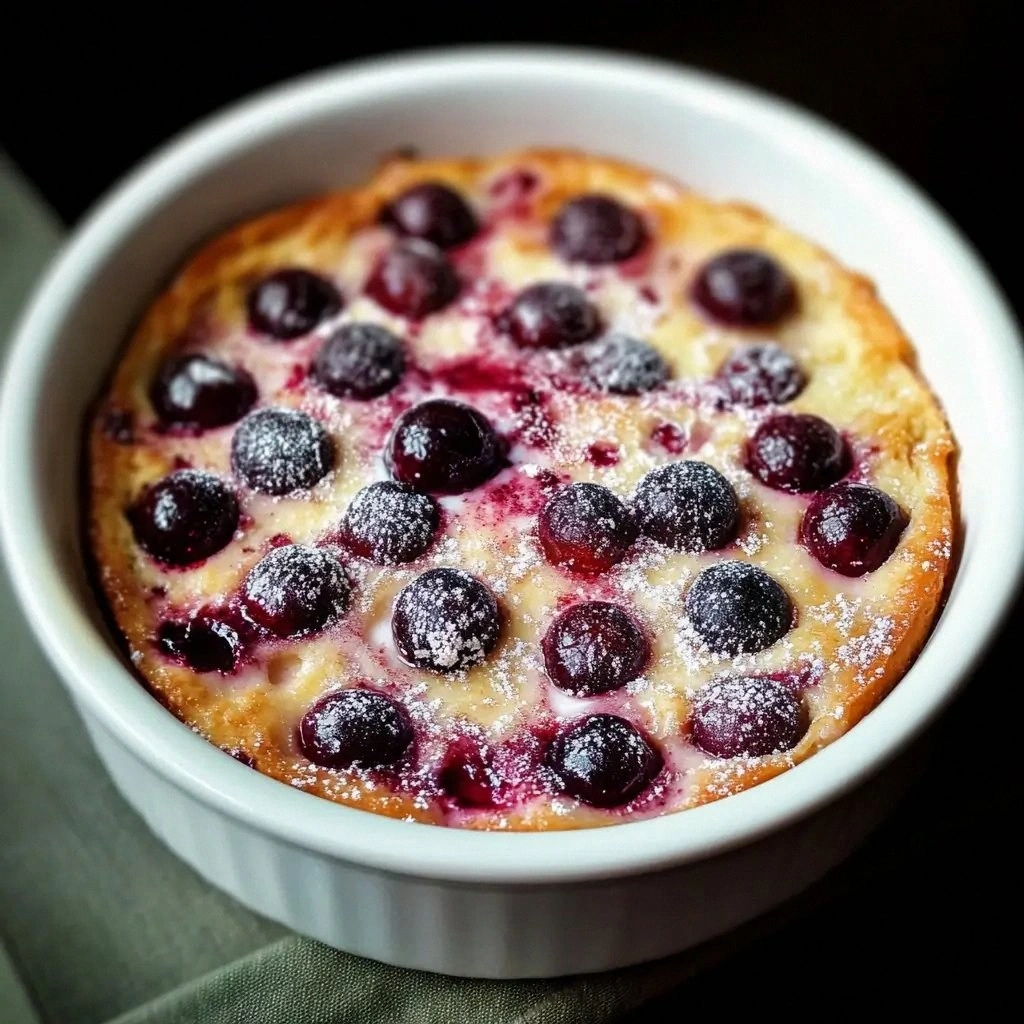
The Method — Step by Step
- Preheat your oven to 350°F (175°C). Lightly grease a 9‑inch round baking dish with butter or non‑stick spray. This step ensures the clafoutis doesn’t stick and creates a golden crust.
- In a medium bowl, whisk together 1 cup of all‑purpose flour and 3/4 cup of granulated sugar until well combined. This dry mix creates the base for the batter and keeps the cherries from sinking.
- In a separate bowl, beat 3 large eggs with 1/2 cup of whole milk and 1/2 cup of heavy cream until the mixture is smooth. The combination of eggs, milk, and cream creates the custard base that will set in the oven.
- Add 1 teaspoon of vanilla extract, 1 tablespoon of melted butter, and 1 tablespoon of lemon zest to the wet mixture. Stir until the butter is fully incorporated, and the batter has a silky texture. This step infuses the dessert with aromatic flavors.
- Fold the dry flour mixture into the wet batter, stirring gently until just combined. Be careful not to overmix; you want a few lumps for a tender crumb. The batter should be slightly thick but pourable.
- Fold in 2 cups of pitted cherries, ensuring they are evenly distributed. The cherries should be coated lightly in flour to prevent sinking. The result is a beautiful mosaic of fruit throughout the batter.
- Pour the batter into the prepared dish, smoothing the top with a spatula. Sprinkle 1/4 cup of toasted almonds on top for added crunch. The almonds will toast slightly in the oven, adding a nutty aroma.
- Bake for 30–35 minutes, or until the edges are golden brown and the center is set but still slightly jiggly. The batter should rise and develop a golden crust. Let it cool for 5 minutes before serving.
That's it — you did it. But hold on, I've got a few more tricks that'll take this to another level. The clafoutis is a canvas, and a few simple tweaks can elevate it from good to unforgettable.
Insider Tricks for Flawless Results
The Temperature Rule Nobody Follows
Many people bake clafoutis at a higher temperature, hoping for a quicker bake. However, the sweet truth is that a moderate 350°F (175°C) allows the batter to rise evenly without cracking. If you push the heat too high, the edges will burn before the center sets, resulting in an uneven texture. Keep the temperature steady and trust the process.
Why Your Nose Knows Best
The first hint that your clafoutis is perfectly baked is the aroma. A sweet, buttery scent with a faint citrus undertone signals that the batter has set. If the smell is still raw, give it a few more minutes. Your nose is the best judge of doneness.
The 5-Minute Rest That Changes Everything
After removing the clafoutis from the oven, let it rest for five minutes. This resting period allows the custard to set fully, preventing a runny center. The rest also lets the flavors meld, creating a cohesive taste. Skipping this step will result in a slightly watery texture.
The Secret of Fresh Cherry Flavor
If you’re using frozen cherries, thaw them completely and pat them dry. Excess moisture can make the batter watery, ruining the texture. Fresh cherries, on the other hand, bring a natural sweetness that is hard to replicate. Whenever possible, choose fresh cherries for the best flavor.
The Power of a Light Touch
When folding the batter, use a light touch with a spatula. This helps preserve the air in the batter, ensuring a light, airy texture. Overmixing introduces too much gluten, making the clafoutis dense. A gentle fold is all you need for a perfect result.
Creative Twists and Variations
This recipe is a playground. Here are some of my favorite ways to switch things up:
Almond Butter Clafoutis
Swap the butter with almond butter for a nutty twist. The almond butter adds a subtle depth that pairs beautifully with the cherries. This version is perfect for those who love a richer, nutty flavor profile.
Berry Medley Clafoutis
Replace cherries with a mix of blueberries, raspberries, and blackberries. The berries bring a vibrant color and a complex sweet‑tart balance. Serve with a drizzle of honey for extra sweetness.
Chocolate Chip Clafoutis
Fold in a handful of dark chocolate chips before baking. The chocolate melts into the custard, creating pockets of rich chocolate flavor. This version is a crowd‑pleaser for chocolate lovers.
Lemon‑Zest Clafoutis
Add an extra tablespoon of lemon zest and a splash of lemon juice to brighten the dish. The citrus notes cut through the sweetness, leaving a clean finish. It’s a refreshing twist for warm weather.
Vegan Clafoutis
Use oat milk instead of dairy, flaxseed meal as an egg substitute, and vegan butter. The texture remains custard‑like, while the flavor stays delicious. This version is inclusive for those with dietary restrictions.
Caramelized Banana Clafoutis
Replace cherries with sliced, caramelized bananas. The bananas add a sweet, buttery flavor that pairs well with the custard. This version is a delightful breakfast option.
Storing and Bringing It Back to Life
Fridge Storage
Cool the clafoutis to room temperature, then cover with plastic wrap and refrigerate for up to 48 hours. The batter will firm up slightly, but the cherries will remain juicy. Reheat gently in the oven or microwave for a few minutes.
Freezer Friendly
Wrap the clafoutis tightly in plastic wrap, then place it in a freezer‑safe container. It can be frozen for up to 2 weeks. Thaw overnight in the refrigerator before reheating.
Best Reheating Method
To restore the custard’s silky texture, add a splash of milk or cream before reheating. This step steams the clafoutis back to perfection. Warm in a preheated oven at 300°F (150°C) for 10–12 minutes, or microwave on medium power for 2 minutes.