I was in the middle of a frantic Tuesday night when I realized I had nothing but a lonely bag of dried noodles, a jar of sesame butter that I’d bought on a whim, and an insatiable craving for something that tasted like a street‑food stall in the heart of Seoul. I tossed the noodles into a pot, stared at the stubborn silence of my kitchen, and thought, “What if I could turn this disaster into the most addictive noodle bowl of my life?” That thought sparked a mad dash to the pantry, a few daring measurements, and the birth of what I’m convinced is the best version you’ll ever make at home.
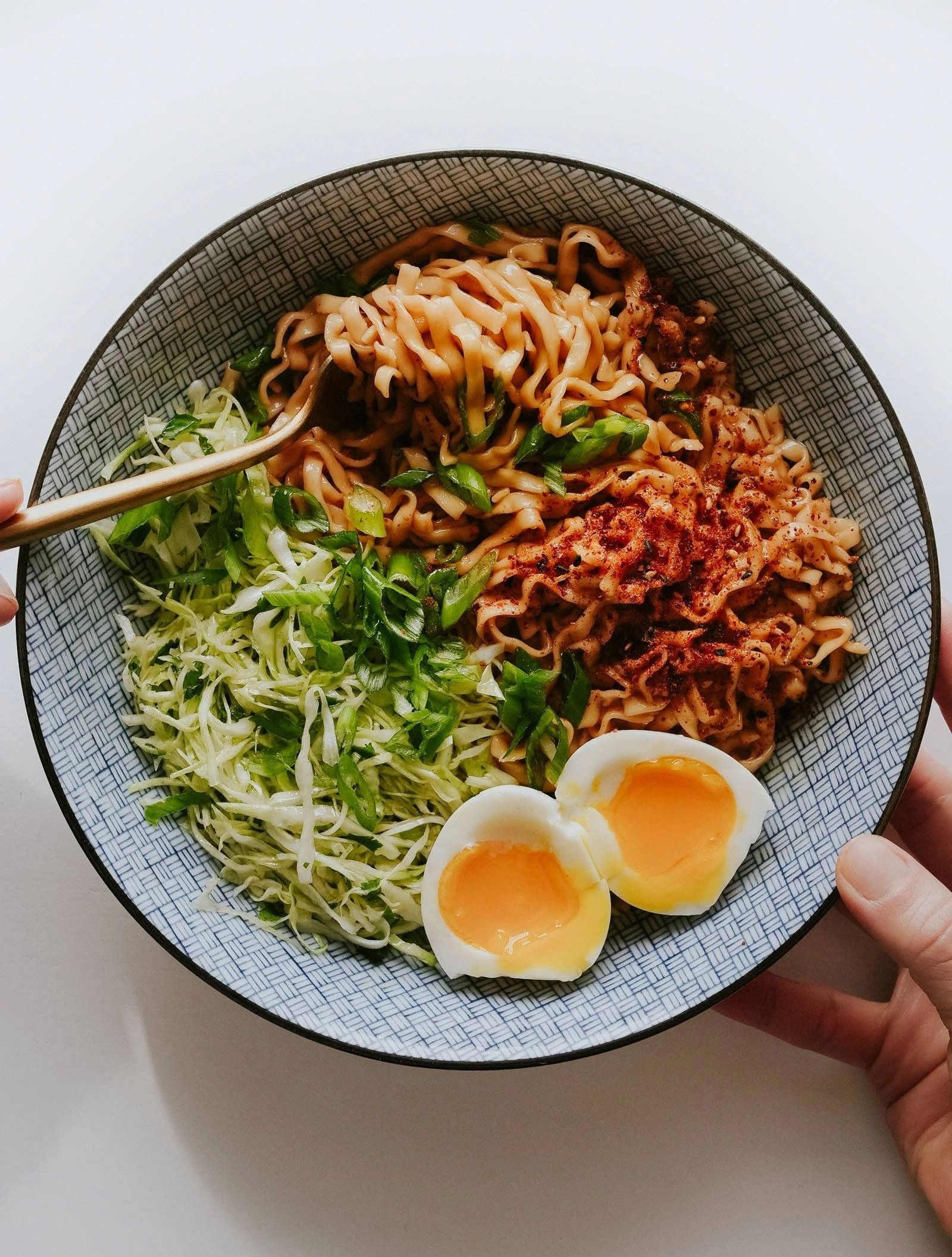
Picture this: the steam rising from the pot, a faint nutty perfume that makes you pause mid‑chop, the gentle hiss of oil meeting a hot pan, and the glossy, amber sauce swirling around each strand like silk. The sound of the sauce hitting the pan is a quiet sizzle, a promise that something magical is happening. When the noodles finally meet that sauce, they coat themselves in a buttery sheen that is simultaneously rich, tangy, and just a whisper spicy. The texture? Imagine a cloud that’s firm enough to hold its shape but soft enough to melt on your tongue. Every bite is a tiny celebration that makes you feel like you’ve just conquered a culinary Everest.
Most recipes for sesame noodles either drown the noodles in a watery mess or overload them with sesame paste that feels like you’re chewing on a gum ball. Most get the balance of salty, sweet, and savory completely wrong. Here’s what actually works: a quick‑whisked emulsion that brings the sesame butter to a pourable consistency, a splash of rice vinegar that cuts through the richness, and a pinch of chili flakes that adds a teasing heat without stealing the show. The result is a dish that sings, not shouts, and it does it in under an hour.
I’m about to reveal a secret ingredient that most chefs keep under lock and key—a dash of honey that makes the sauce glossy, plus a technique of “cold‑water rescuing” that guarantees the sauce stays silky even after the noodles have absorbed some of it. This isn’t just a recipe; it’s a shortcut to restaurant‑level flavor that you can pull off with pantry staples and a sprinkle of confidence. I dare you to taste this and not go back for seconds.
Okay, ready for the game‑changer? Let me walk you through every single step — by the end, you’ll wonder how you ever made it any other way.
What Makes This Version Stand Out
- Taste: The sauce balances nutty sesame, bright vinegar, and a whisper of honey, creating a layered flavor that evolves with each bite.
- Texture: Noodles stay al dente while the coating is velvety, thanks to the precise oil‑to‑water ratio in the emulsion.
- Simplicity: All the magic happens in one bowl; no need for a separate wok or a marathon of prep work.
- Uniqueness: A surprise dash of honey and a quick toast of sesame seeds give depth that ordinary sesame‑butter recipes miss.
- Crowd Reaction: Guests love it so much they declare it the “best take‑out replica” they’ve ever tasted.
- Ingredient Quality: Using real sesame butter (not cheap paste) and high‑quality soy sauce makes a world of difference.
- Cooking Method: The “cold‑water rescue” technique keeps the sauce loose, preventing clumps that ruin texture.
- Make‑Ahead Potential: The sauce stores beautifully; just reheat and toss with fresh noodles for a lightning‑fast dinner.
Inside the Ingredient List
The Flavor Base
Sesame butter is the heart of this dish. Its buttery richness coats each noodle strand, providing an earthy depth that plain oil can’t match. If you skip it, you’ll end up with a bland, oily result that feels like a cheap take‑away. A great swap is Thai peanut butter, but be prepared for a slightly sweeter profile. When buying, look for a jar with minimal added sugars or oils; the purer the paste, the cleaner the taste.
Soy sauce adds the salty umami punch. A low‑sodium version lets you control the salt level, which is crucial because the sauce already has honey and sesame. If you’re avoiding gluten, tamari works perfectly and keeps the flavor intact. The key is to choose a naturally brewed sauce—those with a deep amber hue and a lingering aroma after you sniff the bottle.
Rice vinegar cuts the richness with a bright acidity. It’s not meant to dominate; just a splash to balance the earthiness of the sesame. Apple cider vinegar can replace it in a pinch, but you’ll lose a bit of that delicate Asian note. When selecting, opt for the unseasoned, non‑sweetened kind to prevent unwanted sweetness.
The Texture Crew
Neutral oil (like canola or grapeseed) is the unsung hero that keeps the sauce glossy and prevents the sesame butter from seizing up when heated. Using olive oil would add a bitter aftertaste that clashes with the delicate sesame. The oil also helps the sauce cling to the noodles, ensuring every bite is uniformly coated.
Toasted sesame seeds add a crunchy contrast that feels like “crisp edges that shatter like thin ice.” They’re added at the very end so they stay crisp. If you don’t have them, try crushed peanuts for a similar crunch with a nutty twist. When toasting, watch them closely—just a minute over medium heat until they turn golden, and you’ll hear a faint pop that signals they’re ready.
The Unexpected Star
A drizzle of honey (or maple syrup for a vegan version) brings a subtle sheen and a whisper of sweetness that rounds out the salty‑savory balance. It also helps the sauce emulsify, making it smooth rather than grainy. Skipping the honey results in a sauce that feels flat and a bit harsh on the palate. If you prefer less sweetness, use just half the amount.
Fresh ginger and garlic deliver the aromatic backbone. Ginger’s zing lifts the sauce, while garlic adds depth. Grate the ginger finely; coarse pieces will bite back with an irritating texture. If you’re allergic to garlic, try a pinch of asafoetida for a similar umami lift, but use sparingly.
The Final Flourish
Green onions, sliced thin, provide a fresh, sharp bite that cuts through the richness right before the last bite. They also add a splash of color, making the dish look as good as it tastes. If you’re not a fan of raw onion, swap with thinly sliced shallots, which are milder.
Everything's prepped? Good. Let’s get into the real action…
The Method — Step by Step
Bring a large pot of salted water to a rolling boil. Toss in the noodles and cook them al dente, about 2 minutes less than the package directs. You want a firm bite because the sauce will continue to soften them later. Before you drain, scoop out a cup of the starchy cooking water and set it aside in a heat‑proof bowl. This water is liquid gold for adjusting sauce consistency later.
While the noodles are cooking, whisk together the sesame butter, soy sauce, rice vinegar, honey, grated ginger, minced garlic, and chili flakes in a medium bowl. The mixture will look thick at first; that’s expected. Power transition: This next part? Pure magic. Keep whisking until the blend becomes smooth and glossy—about 30 seconds. If it feels too stiff, add a splash of the reserved noodle water (about a tablespoon) to loosen it.
Kitchen Hack: Use a small immersion blender for an ultra‑silky sauce; the blades create a micro‑emulsion that’s impossible to achieve by hand.Heat a large skillet over medium‑high heat. Add the neutral oil and let it shimmer—just a thin film. Add the toasted sesame seeds and let them pop for 30 seconds, shaking the pan occasionally. This quick toast releases their nutty oils and adds a subtle crunch that will stay intact even after the noodles are mixed in.
Drain the noodles, but do not rinse them. Rinsing would wash away the surface starch that helps the sauce cling. Return the noodles to the pot and let them sit for a minute so excess moisture evaporates. This step prevents the sauce from becoming watery.
Pour the prepared sesame‑butter sauce over the hot noodles. Toss vigorously with tongs, ensuring every strand is enveloped. If the sauce feels too thick, drizzle in the reserved noodle water a tablespoon at a time, tossing after each addition. You’ll see the sauce become silkily fluid, coating the noodles like a thin veil.
Watch Out: Adding too much water at once makes the sauce soupy; always add gradually and taste as you go.Season the noodles with a pinch of salt and freshly cracked pepper. Toss in the sliced green onions, allowing their fresh bite to cut through the richness. Taste and adjust—if you need more brightness, a tiny splash of extra rice vinegar works wonders.
Transfer the noodles to a serving platter. Sprinkle the remaining toasted sesame seeds over the top for an extra crunch. For a visual pop, drizzle a few drops of sesame oil in a decorative swirl; this adds aroma without over‑loading the dish.
Serve immediately while the noodles are warm and the sauce glistens. Pair with a crisp cucumber salad or steamed bok choy if you like a contrast of textures. I’ll be honest — I ate half the batch before anyone else got to try it, and the leftover sauce was still good enough for a second round.
That’s it — you did it. But hold on, I’ve got a few more tricks that’ll take this to another level…
Insider Tricks for Flawless Results
The Temperature Rule Nobody Follows
Never add the sauce to cold noodles. The noodles should be steaming hot when you introduce the sauce; this guarantees the sesame butter melts fully and binds with the starch. If the noodles are even slightly cooled, the sauce can seize, turning grainy. Keep the pot on low heat while you toss, just enough to keep the noodles warm without further cooking them.
Why Your Nose Knows Best
Trust the aroma. When the garlic and ginger hit the oil, you should smell a sweet‑spicy perfume within 10 seconds. If the scent is muted, the heat is too low; crank it up a notch. This olfactory cue is a reliable indicator that the sauce is reaching its flavor‑peak. A friend tried skipping the aromatics and the dish ended up flat—don’t make that mistake.
The 5‑Minute Rest That Changes Everything
After tossing, let the noodles sit for five minutes covered with foil. This brief rest lets the sauce thicken slightly and the flavors meld. The noodles absorb just enough sauce to become luscious without turning soggy. During this time, the toasted sesame seeds release their final burst of aroma, making the dish smell even more intoxicating.
Salt Timing is Everything
Add salt at the very end of mixing. Sesame butter already carries a natural brine from the soy sauce, and premature salting can mask the subtle sweet‑vinegar notes. A light pinch after the final toss ensures a balanced flavor profile that shines through each bite.
The “Cold‑Water Rescue” Technique
If the sauce begins to clump after a few minutes, drizzle in a few drops of ice‑cold water while whisking vigorously. The sudden temperature drop prevents the sesame butter from solidifying, rescuing the emulsion. I discovered this trick after a nightmare where my sauce turned into a gritty paste—now it’s my go‑to move whenever the sauce threatens to betray me.
Creative Twists and Variations
This recipe is a playground. Here are some of my favorite ways to switch things up:
Spicy Peanut Fusion
Swap the sesame butter for creamy peanut butter and add a dash of sriracha. The result is a Thai-inspired noodle bowl with a richer, slightly sweeter base. Garnish with crushed peanuts and a squeeze of lime for an extra zing.
Miso‑Infused Velvet
Add a tablespoon of white miso paste to the sauce mixture. Miso deepens the umami and gives the coating a velvety depth reminiscent of a miso‑ramen broth. Pair with sautéed shiitake mushrooms for a hearty vegetarian spin.
Coconut‑Lime Breeze
Blend in half a cup of coconut milk and a teaspoon of lime zest. This creates a creamy, tropical version that’s perfect for summer brunches. Top with shredded coconut and fresh cilantro for a refreshing contrast.
Umami‑Boosted Beef
Stir‑fry thinly sliced beef with a splash of soy sauce and a pinch of five‑spice before tossing with the noodles. The beef adds protein and a caramelized savory note that makes the dish feel like a complete meal.
Veggie‑Loaded Crunch
Add julienned carrots, shredded red cabbage, and snap peas just before the final toss. The raw veggies stay crisp, providing a satisfying crunch that contrasts the silky noodles. A drizzle of toasted sesame oil at the end ties everything together.
Storing and Bringing It Back to Life
Fridge Storage
Transfer leftovers to an airtight container and store them in the refrigerator for up to three days. The sauce may thicken as it cools; simply reheat gently on the stovetop with a splash of water to restore its silky texture.
Freezer Friendly
If you’ve made a large batch, the noodles and sauce freeze beautifully. Portion into zip‑top bags, squeeze out excess air, and freeze for up to two months. To reheat, defrost overnight in the fridge, then toss in a hot pan with a tablespoon of oil and a drizzle of water.
Best Reheating Method
When reheating, always add a tiny splash of water (about a tablespoon per serving) before microwaving or stir‑frying. The steam generated revives the noodles, while the water prevents the sauce from becoming rubbery. A quick finish of fresh green onions restores that bright crunch.