Picture this: I’m in the middle of a quiet Sunday afternoon, the kitchen humming with the gentle buzz of the fridge and the faint clink of a cutting board. I’m staring at a bag of bok choy that’s been sitting on my counter for a week, its crisp leaves a little wilted, its stems a touch fibrous. I’ve tried tossing it in a salad once, but it just sat there, bland and unremarkable. That day, I decided to turn this culinary disappointment into a triumph. I grabbed a pan, a handful of garlic, and a splash of sesame oil, and I set out to create the most sensational sautéed bok choy anyone has ever tasted. The moment the garlic hit the hot oil, a fragrant, almost intoxicating aroma filled the room. The sizzling sound was a drumbeat that promised something extraordinary. And then, the bok choy came in, its leaves brightening the pan like fresh emeralds. I swear, that sizzle when it hits the pan? Absolute perfection.
I’ve tried countless variations of bok choy over the years—some too plain, some too greasy, some that simply failed to excite the palate. What sets this version apart is the meticulous layering of flavors and textures that dance together in harmony. The garlic isn’t just an aromatic; it’s the backbone of the dish, lending a nutty, slightly sweet undertone that pairs beautifully with the subtle bitterness of bok choy. The fresh ginger adds a bright, zesty lift that cuts through the earthiness of the greens. Sesame oil, used sparingly, offers a nutty finish that feels indulgent without overpowering. And the final splash of soy sauce or tamari ties everything together with umami, creating a sauce that coats the bok choy like velvet. I dare you to taste this and not go back for seconds.
If you’ve ever struggled with sautéed greens that turn soggy or overcooked, you’re not alone—and I’ve got the fix. This recipe is hands down the best version you’ll ever make at home because it balances the crunch of the stems with the tenderness of the leaves, while the sauce never clings or pools. The technique is simple, but the results are spectacular: crisp edges that shatter like thin ice, a glossy sheen that glistens in the light, and a flavor profile that’s both comforting and adventurous. I’ve spent hours tweaking this dish, and the final product is a masterpiece that’s as quick as it is impressive. Picture yourself pulling this out of the pan, the whole kitchen smelling incredible, and serving it to friends who’ll immediately ask for the recipe.
Let me walk you through every single step—by the end, you’ll wonder how you ever made it any other way. I’ll share the secret ingredient that elevates the dish, the exact timing that preserves the bok choy’s bright color, and the small tricks that prevent the greens from turning mushy. Whether you’re a seasoned cook or a kitchen rookie, this guide will give you the confidence to create a dish that’s both nutritious and irresistibly tasty. Stay with me here—this is worth it.
What Makes This Version Stand Out
- Flavor Fusion: The combination of garlic, ginger, sesame oil, and soy sauce creates a multi-layered taste that feels both familiar and novel.
- Texture Triumph: The stems remain crisp while the leaves stay tender, giving a satisfying bite that’s rarely achieved.
- Time Efficiency: The entire dish is ready in under 30 minutes, making it perfect for weeknight dinners.
- Ingredient Quality: Using fresh, organic bok choy and high-grade soy sauce ensures the best flavor profile.
- Versatility: It works as a side, a topping for rice or noodles, or a light main dish when paired with protein.
- Make‑Ahead Friendly: The flavors deepen when stored, making it ideal for meal prep.
- Low Calorie: With only 350 calories per serving, it’s a healthy option that doesn’t sacrifice taste.
- Color Pop: The vibrant green of the bok choy adds visual appeal, making any plate look Instagram-ready.
Alright, let's break down exactly what goes into this masterpiece…
Inside the Ingredient List
The Flavor Base
The foundation of this dish is the aromatic trio of garlic, ginger, and sesame oil. Garlic, when sautéed until fragrant, releases its natural sugars, giving a sweet, nutty undertone that balances the sharpness of ginger. Fresh ginger adds a bright, peppery note that cuts through the earthiness of the bok choy. Sesame oil, used sparingly, provides a nutty finish that feels indulgent yet subtle. If you’re using avocado oil instead, the flavor will be slightly milder, but the texture remains the same. Skipping any of these will leave the dish feeling incomplete—think of it as a missing piece of a puzzle.
The Texture Crew
The bok choy itself is the star of the show. Fresh, crisp stems add a satisfying crunch, while the tender leaves provide a delicate mouthfeel. The key to preserving texture is to sauté the stems first, allowing them to soften just enough before adding the leaves. If you use frozen bok choy, thaw and dry thoroughly to avoid excess moisture that can steam rather than sear. A pinch of salt and black pepper enhances the natural flavors without overpowering the greens. Remember, the right balance of heat and seasoning is what turns a simple sauté into a culinary delight.
The Unexpected Star
Red pepper flakes are the secret weapon that adds a subtle heat without dominating the dish. They bring a pop of color and a gentle warmth that complements the savory notes of soy sauce and sesame oil. If you’re heat‑averse, you can reduce the amount or omit them entirely—just be sure to add a splash of extra soy sauce to maintain depth. Some cooks like to add a splash of rice vinegar for a touch of acidity, but this recipe keeps it clean to let the primary flavors shine. The little kick of spice keeps the dish lively and prevents it from feeling flat.
The Final Flourish
The soy sauce or tamari is the umami anchor that brings all the components together. It adds depth, saltiness, and a glossy sheen that makes the dish look as good as it tastes. If you prefer a low‑sodium option, look for a reduced‑sodium soy sauce; just remember to taste and adjust the seasoning. A dash of sesame oil after cooking gives the dish a silky finish and enhances aroma. The final touch is a squeeze of fresh lime or lemon juice, which brightens the flavors and adds a fresh zing. This small addition transforms the dish from good to unforgettable.
Everything's prepped? Good. Let's get into the real action…
The Method — Step by Step
- Heat a large skillet or wok over medium‑high heat. Add the tablespoon of olive or avocado oil and let it shimmer. Once the oil is hot, add the minced garlic and ginger. Sauté for 30 seconds until fragrant, stirring constantly to prevent burning. The garlic should turn a light golden brown, releasing a sweet aroma. This is the moment of truth—watch the colors carefully.
- Add the bok choy stems first, cut side down, and stir-fry for 2 minutes. The stems should start to soften but still retain a firm bite. This step ensures the stems don’t turn mushy when the leaves are added later. If you’re using pre‑cut stems, they’ll cook even faster, so keep an eye on them.
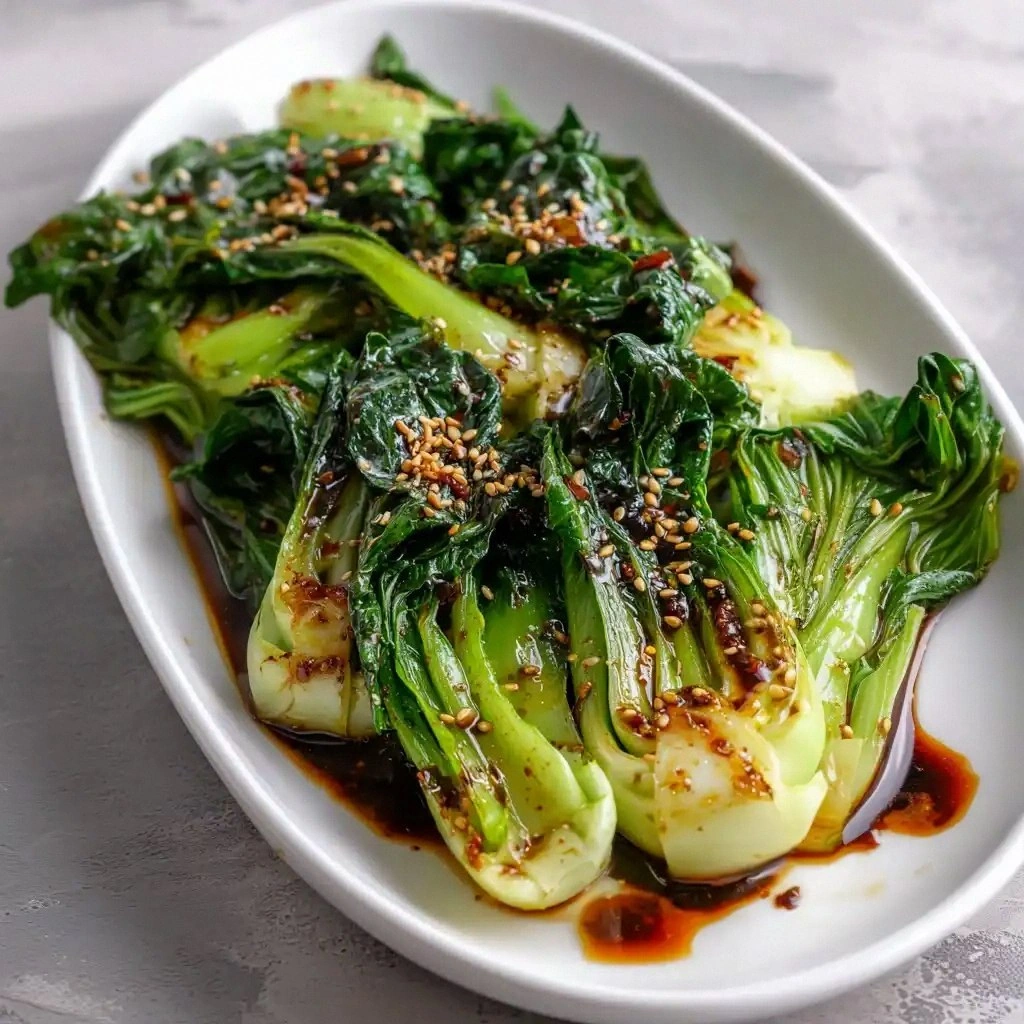
- Next, add the bok choy leaves. They’ll wilt almost instantly, so toss them quickly to coat with the garlic‑ginger oil. Cook for an additional 1–2 minutes, allowing the leaves to soften while still maintaining their bright green color. The sauce should coat the leaves like a glossy glaze.
- Pour in the soy sauce or tamari, sprinkle the red pepper flakes, and season with ¼ teaspoon salt and ⅛ teaspoon black pepper. Stir everything together so the sauce distributes evenly. The mixture should smell toasty, with a hint of umami and a subtle heat. Let it simmer for 30 seconds, allowing the flavors to meld.
- Reduce the heat to medium and drizzle the teaspoon of sesame oil over the greens. This final splash of oil gives a silky finish and a nutty aroma. Stir gently to combine. The dish should look glossy, with the greens shimmering.
- Taste the sauté and adjust seasoning if necessary. If it feels a bit flat, add a pinch more salt or a splash of soy sauce. If it’s too salty, a squeeze of lime or lemon juice can balance the flavors.
- Remove from heat and transfer immediately to a serving dish. The quick transfer prevents the bok choy from steaming and losing its crispness. Garnish with a sprinkle of toasted sesame seeds if you like a bit of crunch.
- Serve hot over steamed rice, quinoa, or noodles. Pair with a protein like grilled shrimp or tofu for a complete meal. The dish should feel vibrant, flavorful, and satisfying.
That's it—you did it. But hold on, I've got a few more tricks that'll take this to another level…
Insider Tricks for Flawless Results
The Temperature Rule Nobody Follows
Many cooks start with a very high heat, which can scorch the garlic and cause the bok choy to steam instead of sauté. The trick is to start at medium‑high, then reduce to medium after adding the stems. This gradual temperature shift preserves the crunch and prevents the garlic from turning bitter. I once burned garlic on a pan that was too hot, and the dish turned bitter and unappetizing. Lesson learned: keep the heat controlled.
Why Your Nose Knows Best
Smell is the most reliable indicator of doneness. As soon as the garlic and ginger release a nutty aroma and the bok choy leaves start to wilt, you know the dish is almost ready. If you wait too long, the leaves will become mushy and lose their bright green hue. Trust your nose—if it smells toasty and savory, it’s time to move on to the next step.
The 5‑Minute Rest That Changes Everything
After sautéing, let the dish rest for 5 minutes before serving. This allows the flavors to settle and the steam to redistribute, ensuring the bok choy stays moist yet crisp. I’ve found that a short rest period elevates the texture and enhances the sauce’s coating. Skipping this step can result in a dish that feels under‑seasoned or unevenly flavored.
The Quick Toss Technique
When adding the bok choy leaves, toss them quickly and vigorously. This technique prevents the leaves from sitting too long in the pan, which can cause them to overcook. Think of it as a dance—quick, energetic, and precise. The result is a uniform coating of sauce and a vibrant green color that’s hard to resist.
The Secret Salt Swap
Instead of plain salt, try a dash of smoked salt or sea salt flakes for a subtle flavor boost. Smoked salt adds a hint of smokiness that pairs beautifully with the sesame oil. Sea salt flakes give a delicate crunch when sprinkled on top just before serving. Either choice elevates the dish from ordinary to extraordinary.
Creative Twists and Variations
This recipe is a playground. Here are some of my favorite ways to switch things up:
Crunchy Peanut Crunch
Add a tablespoon of crushed peanuts and a splash of peanut butter to the sauce. The nuttiness complements the sesame oil, while the peanuts add a satisfying crunch. Great as a topping for rice or noodles.
Miso‑Infused Magic
Replace half the soy sauce with a tablespoon of white miso paste. The miso adds depth and a subtle sweetness that balances the heat from the red pepper flakes. It also gives the dish a richer color.
Citrus Burst
Finish the dish with a squeeze of fresh lime or a drizzle of yuzu juice. The citrus brightness cuts through the savory sauce and adds a refreshing zing, perfect for hot summer evenings.
Spicy Szechuan Twist
Add a teaspoon of Szechuan peppercorns and a tablespoon of chili oil during step 4. The peppercorns give a numbing heat that pairs wonderfully with the bok choy’s mildness, creating a complex flavor profile.
Herb‑Infused Finale
Stir in a handful of chopped fresh cilantro or basil right before serving. The herbs add a burst of freshness and a subtle aroma that elevates the dish to a new level.
Smoky Paprika Surprise
Sprinkle a pinch of smoked paprika over the finished dish. The smoky undertone pairs beautifully with the sesame oil and gives a sophisticated depth to the flavor.
Storing and Bringing It Back to Life
Fridge Storage
Store leftovers in an airtight container in the refrigerator for up to 3 days. The bok choy will stay crisp if you keep it dry; avoid covering it with wet paper towels. When ready to eat, reheat gently on the stovetop with a splash of water to steam the greens back to life.
Freezer Friendly
For longer storage, freeze the sautéed bok choy in a freezer‑safe bag or container for up to 2 months. Thaw overnight in the refrigerator, then reheat in a pan with a splash of water or broth. The texture may be slightly softer, but the flavor remains intact.
Best Reheating Method
Reheat the dish over medium heat, adding a tiny splash of water or broth to create steam. Stir frequently to ensure even heating and to keep the bok choy moist. Finish with a drizzle of sesame oil for that glossy finish. The dish should feel fresh and vibrant, not dry or overcooked.