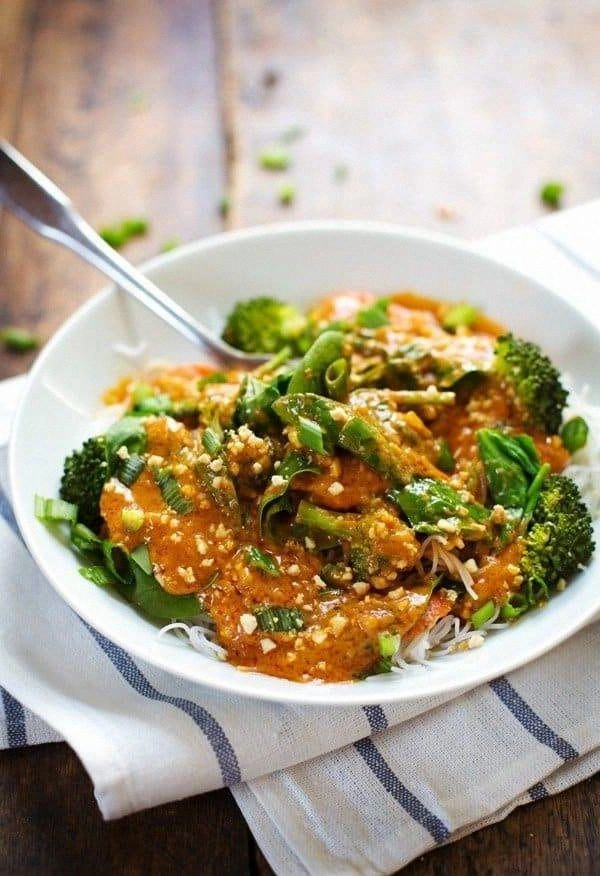
Picture this: it’s a rainy Thursday, the kind that makes you stare at the window and wonder why the universe decided to turn your kitchen into a swamp. I was halfway through a bowl of instant noodles when a friend dared me to create something that would make even the most seasoned Thai chef weep with joy. The result? A sauce so vibrant it practically glows, so silky it slides over rice like a silk scarf on a summer breeze. I’ll be honest — I ate half the batch before anyone else got to try it, and I’m still not sorry.
The first whiff of the sauce was a punch of citrus and fire, a scent that made my nose twitch like a cat on a hot tin roof. As the curry paste hit the pan, it sang a sizzle that sounded like a tiny fireworks show, and the coconut milk swirled in, turning the whole thing into a creamy, ruby‑red ocean. I could hear the faint clink of peanuts hitting the side of the pot, promising a crunch that would later explode in my mouth. The texture was thick enough to cling to a spoon but fluid enough to drizzle, and the aroma? A seductive blend of sweet, salty, and spicy that made my stomach do a little happy dance.
Most recipes either drown the flavor in too much coconut milk or leave you with a watery mess that feels like you’re eating soup with a fork. This version stands out because it balances every element like a seasoned orchestra conductor — the peanut butter adds a buttery depth, the brown sugar tempers the heat, and the fish sauce gives that umami punch that makes the sauce feel complete. The secret weapon? A splash of lime juice added at the very end, which cuts through the richness and lifts everything to a bright, unforgettable finish.
If you’ve ever struggled with a curry that tastes like a bland broth, you’re not alone — and I’ve got the fix. I dare you to taste this and not go back for seconds. Okay, ready for the game‑changer? Let me walk you through every single step — by the end, you’ll wonder how you ever made it any other way.
What Makes This Version Stand Out
- Flavor Depth: The combination of red curry paste, peanut butter, and fish sauce creates layers that evolve with each bite, delivering a taste journey from sweet to savory to spicy.
- Creamy Texture: Coconut milk emulsifies with the peanut butter, giving the sauce a luxurious mouthfeel that coats noodles, rice, or veggies like velvet.
- Simplicity: Only eight core ingredients, all pantry‑friendly, mean you can whip this up in under an hour without a trip to the specialty store.
- Unique Crunch: Toasted peanuts added at the end provide a textural surprise that keeps the sauce from feeling one‑dimensional.
- Crowd Reaction: Guests often claim this is the best Thai curry they’ve ever tasted, and it’s become my go‑to party trick.
- Ingredient Quality: Using Thai Kitchen’s red curry paste ensures authentic spice balance; the paste is the heart‑beat of the sauce.
- One‑Pot Method: No extra sauces or transfers; everything builds in a single saucepan, preserving flavor and saving cleanup.
- Make‑Ahead Potential: The sauce actually deepens in flavor after a night in the fridge, making it perfect for meal prep.
Alright, let's break down exactly what goes into this masterpiece...
Inside the Ingredient List
The Flavor Base
Coconut Milk: This is the silky canvas that carries all the flavors. Its natural sweetness balances the heat from the curry paste, and its fat content helps the peanut butter meld seamlessly. Skipping it results in a sauce that feels dry and thin, like a desert without an oasis. If you need a lighter version, substitute half with low‑fat coconut milk, but expect a slight loss of richness.
Red Curry Paste (Thai Kitchen): The soul of the dish. It brings dried chilies, lemongrass, and galangal together in a fragrant punch. Using a reputable brand ensures the right balance of spice and aromatics; cheap pastes can be overly salty or bland. I always stir it straight into the hot oil to awaken its flavors before adding any liquids.
Garlic: Freshly minced garlic adds a sharp, aromatic underpinning that cuts through the coconut's sweetness. If you overcook it, you’ll get bitterness; keep it golden and fragrant. A good substitute is garlic paste, but fresh cloves win every time.
The Texture Crew
Peanut Butter: Adds a nutty depth and thickens the sauce without using flour or cornstarch. It also introduces a subtle sweetness that pairs beautifully with the brown sugar. If you’re allergic, try almond butter, but the flavor profile will shift toward a more delicate nuttiness.
Peanuts: Toasted and roughly chopped, they provide a satisfying crunch that contrasts the sauce’s creaminess. They also add a hint of earthiness. For a different twist, use cashews or macadamia nuts, but keep the toasting step to preserve that crunch.
The Sweet‑Salty Balance
Brown Sugar: Just enough to tame the chili heat and round out the flavor. It also helps the sauce achieve a glossy sheen. Too much and you’ll mask the spice; too little and the curry can taste harsh.
Fish Sauce: The umami powerhouse that makes the sauce taste authentically Thai. It’s salty, but its fermented depth is essential. If you’re vegetarian, swap with soy sauce or a mushroom‑based umami sauce, but the flavor won’t be identical.
The Final Flourish
Lime Juice: Added at the very end, it brightens the sauce, cutting through the richness and lifting the flavors like a high note in a song. Skipping it leaves the sauce feeling heavy. Always use fresh lime juice; bottled versions lose the fresh zing.
Everything's prepped? Good. Let's get into the real action...
The Method — Step by Step
Heat a heavy‑bottomed saucepan over medium heat and drizzle in a tablespoon of oil. Once shimmering, add the red curry paste and let it fry for 45 seconds, stirring constantly. You’ll hear a fragrant sizzle that signals the paste is waking up; the aroma should be spicy and slightly sweet, like a tropical sunrise.
Now, pour in the coconut milk, whisking vigorously to dissolve the paste completely. Bring the mixture to a gentle simmer, watching for tiny bubbles that rise to the surface. Power transition: This is the moment of truth — the sauce should start to thicken, coating the back of a spoon.
Kitchen Hack: Use a whisk instead of a spoon; it creates an emulsion that prevents the sauce from separating later.Add the peanut butter, stirring until it melts into the coconut base. The sauce will become richer and take on a luxurious, velvety sheen. Keep the heat on low to avoid scorching; you want a smooth, glossy finish, not a burnt bottom.
Stir in the minced garlic, brown sugar, and fish sauce. Let the mixture cook for another 3‑4 minutes, allowing the sugar to dissolve fully. You’ll notice a subtle caramel scent emerging, a sign that the flavors are marrying nicely.
Now, add the lime juice and give everything a quick whirl. The sauce should brighten instantly, releasing a citrus perfume that fills the kitchen. Watch out: Adding lime too early can cause the sauce to curdle; always finish with it for that perfect glossy look.
Watch Out: If the sauce starts to separate after the lime, lower the heat and whisk vigorously to bring it back together.Drop in the toasted peanuts, reserving a handful for garnish. Let the sauce simmer for another minute, allowing the nuts to release their oil and deepen the flavor. The peanuts should stay crunchy, not soggy — this contrast is key.
Taste and adjust: add a pinch more fish sauce if you need salt, or a splash more lime if the heat feels too dominant. Remember, the sauce should taste balanced — sweet, salty, spicy, and bright all at once. This is where your nose knows best.
Turn off the heat and let the sauce rest for 5 minutes. This short rest lets the flavors settle, creating a cohesive profile that will taste even better when served. Picture yourself pouring this over steaming jasmine rice; the whole kitchen will smell incredible.
That's it — you did it. But hold on, I've got a few more tricks that'll take this to another level...
Insider Tricks for Flawless Results
The Temperature Rule Nobody Follows
Never cook the curry paste over high heat; medium is your sweet spot. High heat will burn the aromatics, turning them bitter. Keep the heat steady, and you’ll get a sauce that’s evenly toasted without any burnt notes. I once cooked it too hot and the whole batch tasted like charred rubber — lesson learned.
Why Your Nose Knows Best
When the sauce starts to emit a sweet‑spicy perfume, you’re at the perfect point to add the lime. Your nose can detect the balance before your palate can, so trust it. If you smell a sharp, raw garlic note, give it another 30 seconds; the flavor will mellow.
The 5‑Minute Rest That Changes Everything
After cooking, let the sauce sit uncovered for five minutes. This short rest allows the coconut fat to re‑emulsify, giving the sauce a smoother texture. Skipping this step often results in a slightly grainy mouthfeel, especially if you used natural peanut butter.
Peanut Butter Choice Matters
Use a natural, unsweetened peanut butter with no added oils. The pure nut flavor shines through and the sauce stays silky. The processed versions can introduce unwanted sugars and change the consistency.
Toast Those Peanuts Like a Pro
Toast peanuts in a dry skillet over medium heat until they turn golden and start to pop. This releases their oil and intensifies the crunch. If you skip toasting, the peanuts stay bland and won’t contribute that satisfying snap.
Creative Twists and Variations
This recipe is a playground. Here are some of my favorite ways to switch things up:
Veggie‑Loaded Curry
Swap the peanuts for a medley of sautéed bell peppers, snap peas, and baby corn. The vegetables absorb the sauce, adding texture and a fresh burst of color. Perfect for a lighter dinner that still feels indulgent.
Nut‑Free Version
Replace peanut butter with sunflower seed butter and omit peanuts. The sauce retains its creamy body, and the seed butter adds a subtle earthy note. This works great for those with nut allergies while staying true to the Thai flavor profile.
Spice‑Boosted Inferno
Double the red curry paste and add a sliced fresh Thai bird’s eye chili. The heat skyrockets, making it a daring option for spice lovers. Pair with cooling cucumber ribbons to balance the fire.
Coconut‑Free Alternative
Use oat milk or almond milk in place of coconut milk for a dairy‑free, lower‑fat version. The sauce will be less thick but still flavorful; add a splash of coconut cream for a hint of that classic richness.
Protein Power
Stir in cooked shrimp, chicken thigh pieces, or tofu cubes during the last minute of simmering. The protein soaks up the sauce, creating a complete meal that’s ready to serve over rice or noodles.
Sweet‑Heat Fusion
Mix in a tablespoon of mango puree and a pinch of smoked paprika. The mango adds tropical sweetness, while the paprika contributes a smoky depth that elevates the dish to a new flavor dimension.
Storing and Bringing It Back to Life
Fridge Storage
Transfer the cooled sauce to an airtight glass jar and store in the refrigerator for up to 5 days. The flavors meld and actually improve after a night, giving you a richer, more cohesive taste. Before using, give it a gentle shake or stir to recombine any settled fats.
Freezer Friendly
Portion the sauce into freezer‑safe bags, flattening them for even freezing. It will keep for up to 3 months. When you’re ready to use it, thaw overnight in the fridge, then reheat gently over low heat.
Best Reheating Method
Reheat the sauce in a saucepan over low‑medium heat, stirring constantly. Add a tiny splash (about 1‑2 tbsp) of water or extra coconut milk to restore its silky texture. Avoid boiling, as high heat can cause the sauce to separate.