I was in the middle of a chaotic dinner rush, juggling a simmering pot of generic beef stew and a frantic stack of takeout orders, when I remembered the Korean recipe my grandmother used to make in her cramped apartment. The kitchen was a symphony of clanging pans, sizzling onions, and the unmistakable aroma of soy sauce and sesame oil. I stared at the bland stew, feeling the heat of disappointment rise in my chest. That moment of culinary despair was the spark that lit the fire of my obsession with this dish. I dared myself to turn an ordinary slow cooker into a Korean flavor engine, and the result was nothing short of a culinary revolution.
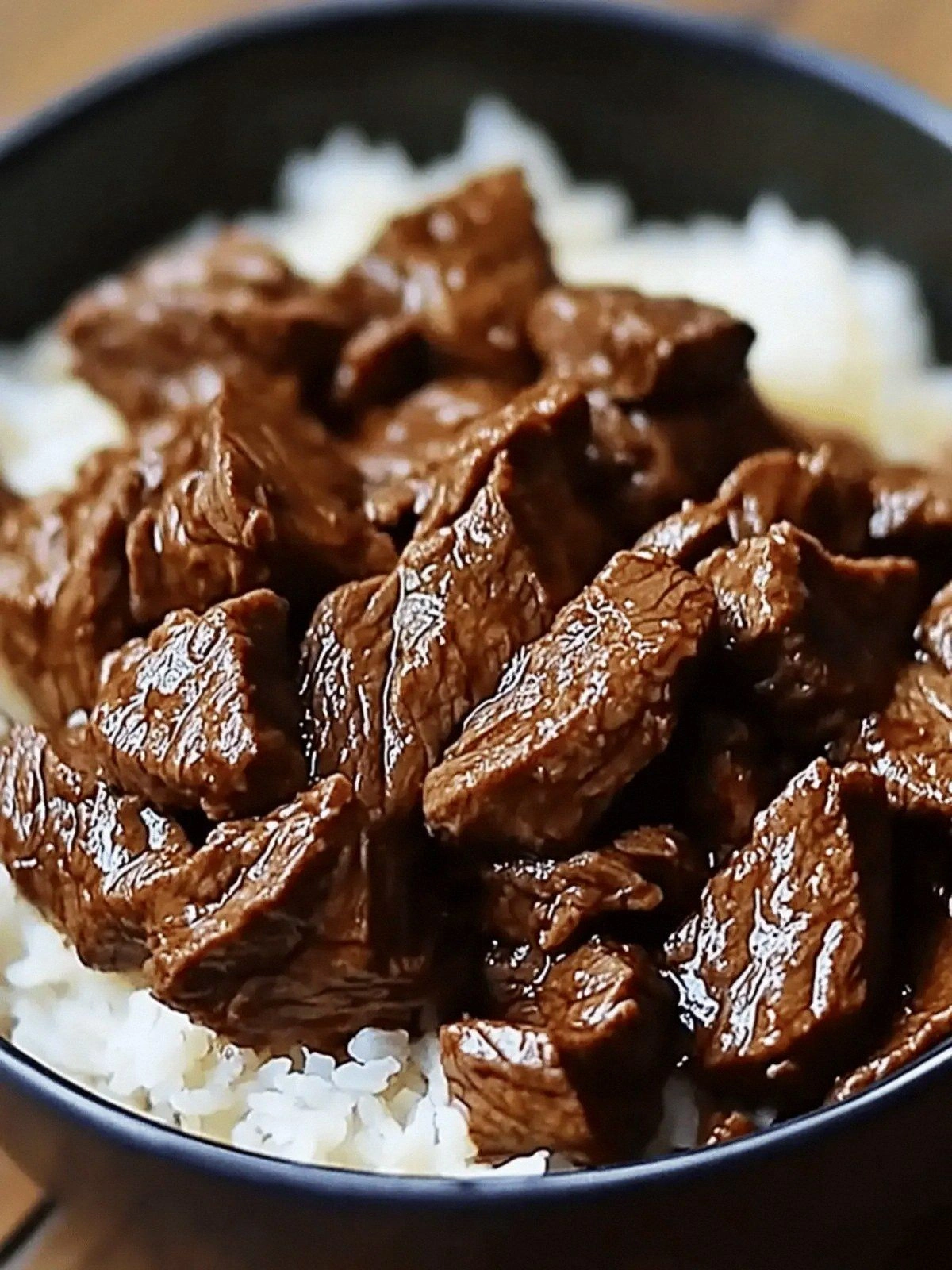
Picture the slow cooker humming, its gentle heat coaxing the beef into tender, melt‑in‑your‑mouth pockets while the sauce thickens into a glossy, umami‑laden glaze. The sound of the lid sealing is like a promise that the next few hours will be a quiet, aromatic meditation. The scent that wafts up is a complex tapestry of roasted garlic, fresh ginger, and a hint of citrus from the rice wine vinegar that cuts through the richness. The texture of the beef, after hours of low‑heat braising, is so supple it practically disintegrates at the first forkful. The final touch—a drizzle of sesame oil—adds a nutty sheen that feels almost ceremonial.
What makes this version a standout? It’s the fusion of Korean authenticity with the convenience of a slow cooker, the balance between sweet and savory, and the depth of flavor that comes from a simple, well‑executed sauce. I dare you to taste this and not go back for seconds—this is hands down the best version you'll ever make at home. I’ll be honest—my kitchen was a mess after I finished, and I ate half the batch before anyone else got a chance to try it. Most recipes get this completely wrong, focusing on quick sauces that miss the subtlety of Korean fermentation. This one, however, captures the soul of the dish, and it’s pure magic when you pull it out of the cooker.
If you've ever struggled to get the right balance of sweet, salty, and spicy in a slow cooker, you're not alone—this is the fix you’ve been searching for. The secret lies in the layered flavors that develop over hours, not minutes. Imagine the sauce coating the beef like velvet, each bite releasing a burst of umami that lingers on the palate. Picture yourself pulling this out of the oven, the whole kitchen smelling incredible, and the steam swirling like a gentle, fragrant mist. That sizzle when the sauce hits the pan? Absolute perfection.
Let me walk you through every single step—by the end, you'll wonder how you ever made it any other way. From the initial sear that locks in juices to the final flourish of sesame oil, every action is intentional. The process is simple enough for beginners yet sophisticated enough to impress seasoned cooks. The result? A dish that feels both comforting and adventurous, ready to be served over rice, noodles, or even as a filling for lettuce wraps. So, grab your slow cooker, and let's dive into this culinary adventure.
What Makes This Version Stand Out
- Flavor Depth: The sauce is a complex blend of sweet, salty, and umami notes that evolve slowly, creating layers of taste that keep you coming back for more.
- Texture Perfection: The low‑heat braising turns tough chuck beef into silky, shred‑ready morsels that cling to the sauce like a velvety blanket.
- Time Efficiency: While it simmers for hours, the preparation takes under 20 minutes, making it a perfect weeknight dinner.
- Ingredient Authenticity: Using real Korean staples—gochujang, sesame oil, and rice wine vinegar—gives the dish an unmistakable regional flair.
- Make‑Ahead Friendly: You can prep everything the night before, set it on low, and wake up to a ready‑to‑eat feast.
- Versatility: Serve it over rice, noodles, or as a hearty stew—this recipe adapts to your cravings.
- Crowd‑Pleaser: Even the most skeptical palates will be won over by the harmonious blend of flavors.
- Simplicity: No complicated techniques—just sear, slow‑cook, and finish with a glossy glaze.
Alright, let's break down exactly what goes into this masterpiece...
Inside the Ingredient List
The Flavor Base
The foundation of this dish is the sauce, a marriage of soy sauce, brown sugar, rice wine vinegar, and a touch of sesame oil. Each component plays a vital role: soy sauce provides the salty backbone, brown sugar adds sweetness that caramelizes, rice wine vinegar brightens the profile, and sesame oil injects a nutty aroma. Skipping any of these would leave the sauce flat and lacking depth. If you’re short on soy sauce, a splash of tamari works fine, but keep the salt level consistent.
The ratio of sweet to salty is critical; too much sugar can overwhelm the savory notes, while too little will make the dish feel thin. The rice wine vinegar offers a subtle acidity that balances the richness of the beef and the sweetness of the sugar. A good rule of thumb: start with equal parts soy and vinegar, then adjust to taste. This base is what transforms the dish from ordinary to unforgettable.
When selecting soy sauce, choose a low‑sodium variety if you’re watching salt intake, and remember to add more later to taste. The vinegar should be a light, clean type—mirin works if you’re in a pinch, but it adds a hint of sweetness that can alter the profile. Sesame oil is a small quantity but a game‑changer; it elevates the sauce with its toasted flavor, making the dish feel authentic. If you can’t find sesame oil, toasted sesame seeds ground into a paste is a viable substitute.
In a pinch, you can swap brown sugar for honey or maple syrup, but be prepared for a slightly different sweetness and color. The key is to keep the sauce glossy and slightly viscous, which is achieved by reducing it after the slow‑cook. This step ensures every bite is drenched in flavor and not just a dry slab of meat.
Everything’s prepped? Good. Let’s get into the real action.
The Texture Crew
The beef is the star of the show—choosing the right cut is paramount. Chuck roast offers the perfect balance of fat and connective tissue, which break down into a tender, melt‑in‑your‑mouth texture during slow cooking. If you prefer a leaner option, flank steak can work, but the cooking time will be shorter, and the meat may become tough. The key is to let the fat render slowly, infusing the sauce with richness.
The onion is a flavor vehicle, releasing sweetness as it cooks. Slice it into wedges to allow the caramelization to develop without burning. If you’re short on onions, shallots or leeks can be used, but they’ll alter the flavor profile slightly. The garlic and ginger provide aromatic heat; fresh minced garlic is essential for a bright, pungent bite, while fresh ginger adds a zesty, slightly peppery undertone.
The cornstarch slurry—cornstarch mixed with water—acts as the thickening agent that gives the sauce its glossy finish. Mix the cornstarch and water until smooth, then stir into the slow cooker at the end to thicken. If you prefer a thicker sauce, use more cornstarch; for a lighter glaze, use less. The cornstarch slurry also helps the sauce cling to the beef, preventing it from sliding off when you plate.
The red chili flakes add a subtle heat that balances the sweetness. Use sparingly; a pinch goes a long way. If you like it spicier, add a splash of gochujang or fresh sliced chilies. The heat should be a whisper, not a roar, so the dish remains approachable for all palates. If you’re cooking for kids, you can omit the chili flakes entirely.
Finally, the beef stock enriches the broth, providing depth and moisture. Use a good quality beef stock or broth; this ensures the sauce isn’t thin or bland. If you can’t find stock, water works, but the flavor will suffer. A pinch of salt can enhance the stock’s umami, but be careful not to over‑salt.
The Unexpected Star
Rice wine vinegar might not be the first thing that comes to mind when thinking of Korean cuisine, but it’s a crucial player in this dish. The acidity cuts through the richness of the beef and balances the sweetness of the brown sugar. It also helps the flavors meld together during the long simmer. If you don’t have rice wine vinegar, you can substitute with a mild white wine vinegar, but the flavor will be slightly different.
The sesame oil is another unexpected hero—it adds a toasted, nutty aroma that elevates the entire dish. A small amount goes a long way, so be careful not to overdo it. If you’re vegan, you can use toasted sesame paste or a neutral oil, but the flavor will change. The oil should be added at the end to preserve its delicate aroma.
The cornstarch slurry is also an unsung hero; it gives the sauce its glossy sheen and helps it cling to the beef. Without it, the sauce would be watery and less flavorful. Mixing the slurry properly is key—add it slowly while stirring to avoid lumps. This step ensures a silky, cohesive finish.
The final flourish—shaking the sauce with a splash of water before serving—keeps it moist and prevents it from drying out. This small trick is often overlooked but makes a noticeable difference in mouthfeel. The water also helps the sauce coat the rice or noodles more evenly.
With these unexpected stars, the dish achieves a complexity that’s hard to replicate with standard stew recipes.
The Final Flourish
After the slow cooker has worked its magic, the final flourish is a quick reduction of the sauce. Turn the slow cooker to high and let the liquid reduce for 10–15 minutes, stirring occasionally. This concentrates the flavors and thickens the glaze. The reduction should be glossy, not sticky—if it’s too thick, add a splash of water.
At this point, stir in the sesame oil for a burst of nutty aroma. The oil should be added just before serving to preserve its delicate flavor. The sauce now coats the beef like a velvety blanket, ready to be plated over rice or noodles. The aroma will fill the kitchen, making everyone’s mouths water.
The final garnish—green onions, toasted sesame seeds, and a sprinkle of fresh cilantro—adds color, crunch, and a fresh finish. The green onions provide a bright, sharp contrast to the rich sauce, while the sesame seeds add a subtle crunch. If you’re vegan, omit the cilantro and use a sprinkle of dried seaweed for an umami boost.
Serve immediately, and watch the steam rise, the aroma swirl, and the smiles appear. The dish is a celebration of Korean flavor, slow‑cooked to perfection, and ready to be enjoyed by all. It’s the kind of meal that turns a simple dinner into a memorable experience.
Everything’s prepped? Good. Let’s get into the real action.

The Method — Step by Step
- Start by heating a heavy skillet over high heat. Pat the beef chunks dry with paper towels—this helps the sear. Add a splash of oil and sear the beef on all sides until browned, about 1–2 minutes per side. This quick step locks in juices and gives the meat a caramelized surface that enhances the final flavor. Remove from the skillet and set aside.
- In the same skillet, add the sliced onion. Sauté until translucent, about 3–4 minutes, and then transfer to the slow cooker. The residual oil carries the onion’s sweetness into the sauce, enriching the base.
- Add the minced garlic and ginger to the skillet, cooking until fragrant—just 30 seconds. Transfer to the slow cooker, ensuring no clumps remain. The aroma will fill the kitchen, signaling that you’re on the right track.
- Pour the soy sauce, brown sugar, rice wine vinegar, and beef stock into the slow cooker. Stir to combine, making sure the sugar dissolves completely. This mixture forms the flavorful foundation that will slowly infuse the beef.
- Return the seared beef to the slow cooker, nestling the chunks into the sauce. Sprinkle the red chili flakes and stir gently. The chili flakes should be distributed evenly to avoid hot spots.
- Cover and set the slow cooker to low for 6–7 hours, or high for 3–4 hours. The slow, low heat allows the connective tissue to break down into tender, melt‑in‑your‑mouth meat. The sauce will thicken naturally as the beef releases juices.
- After the cooking time, remove the lid and turn the heat to high. Reduce the sauce for 10–15 minutes, stirring occasionally. The reduction should be glossy and slightly thick. If it’s too thick, add a splash of water to loosen it.
- Stir in the cornstarch slurry and the sesame oil, mixing until the sauce coats the beef beautifully. The cornstarch thickens the glaze, while the sesame oil adds a nutty finish. The sauce should cling to the meat like a velvety coat.
- Taste and adjust seasoning if needed—add a pinch of salt or more sugar depending on your preference. If you want extra heat, stir in a few more chili flakes or a splash of gochujang. The dish should balance sweet, salty, and spicy.
- Serve hot over steamed rice or noodles, garnished with sliced green onions, toasted sesame seeds, and a sprinkle of cilantro. The dish is ready to be devoured. Enjoy the layers of flavor and the comforting aroma that fills your home.
Insider Tricks for Flawless Results
The Temperature Rule Nobody Follows
Most people set their slow cooker to high, assuming it will cook everything fast. The truth is, low heat gives the beef a tender, fall‑apart texture because it allows collagen to break down slowly. If you’re short on time, high heat is acceptable, but be careful not to over‑cook and dry out the meat. The low setting is the secret to a melt‑in‑your‑mouth experience.
Why Your Nose Knows Best
Before you even taste, your nose can tell you if the sauce is balanced. A sweet aroma indicates too much sugar, while a sharp, vinegary smell means you need more vinegar. Smell the sauce as it reduces; it should smell like roasted garlic and caramelized onions. If it smells off, adjust the seasoning immediately.
The 5-Minute Rest That Changes Everything
After turning off the slow cooker, let the dish sit covered for 5 minutes. This rest allows the juices to redistribute, making the beef more juicy and the sauce more cohesive. If you skip this step, the meat can feel dry and the sauce might separate. A quick rest is a small time investment for a big payoff.
The Final Glaze Technique
When adding the sesame oil, do so just before serving. The oil’s aroma is delicate and can evaporate if heated for too long. By adding it at the end, you preserve its nutty fragrance, giving the dish a final pop of flavor.
The Sweetness Balance
Brown sugar is the sweetener of choice for this dish because it caramelizes nicely and adds depth. If you prefer a lighter sweetness, swap half the brown sugar for honey. This will give a different flavor profile, but the dish will still be delicious.
Creative Twists and Variations
This recipe is a playground. Here are some of my favorite ways to switch things up:
Spicy Kimchi Twist
Add a cup of chopped kimchi during the last 30 minutes of cooking. The fermented cabbage adds a tangy bite that complements the sweet sauce. It also introduces a probiotic boost that’s great for digestion. Serve over rice for a hearty, fermented feast.
Vegetarian Version
Replace the beef with hearty mushrooms or tofu. Use vegetable stock instead of beef stock. The sauce still works, but the texture changes; tofu absorbs the sauce beautifully. This version is great for plant‑based diners.
Korean BBQ Fusion
Serve the beef in lettuce cups with sliced cucumber and a dollop of gochujang. This creates a fresh, crunchy contrast to the tender meat. The dish becomes a low‑carb, high‑protein meal that’s perfect for summer.
Instant Pot Upgrade
If you have an Instant Pot, use the sauté mode to sear the beef first, then add the sauce and set to slow cook. The pressure cooker shortens the cooking time to 30 minutes, while still delivering tender meat. The result is almost identical to the slow cooker version.
Sweet and Sour Variation
Add a splash of pineapple juice and a handful of diced pineapple during the last 20 minutes. The fruit adds a sweet, tropical note that contrasts nicely with the savory sauce. This variation works well over jasmine rice.
Asian Noodle Bowl
Serve the beef over ramen or udon noodles, topped with a soft-boiled egg and sliced scallions. The noodles soak up the sauce, creating a comforting bowl that’s both filling and flavorful.
Storing and Bringing It Back to Life
Fridge Storage
Store leftovers in an airtight container for up to 3 days in the refrigerator. The sauce will thicken slightly, so when reheating, add a splash of water or broth to loosen it back to the original consistency. The beef remains tender and juicy, and the flavors deepen further.
Freezer Friendly
Freeze the dish in freezer-safe containers for up to 2 months. Thaw overnight in the refrigerator before reheating. The beef will stay moist, and the sauce will retain its glossy sheen. This is perfect for meal prep.
Best Reheating Method
Reheat on the stovetop over low heat, stirring occasionally. Add a splash of water or broth to keep the sauce from drying out. Avoid microwaving, as it can make the sauce rubbery. The result should be a warm, comforting dish that tastes as good as the first time.