
Gluten-Free Cornbread
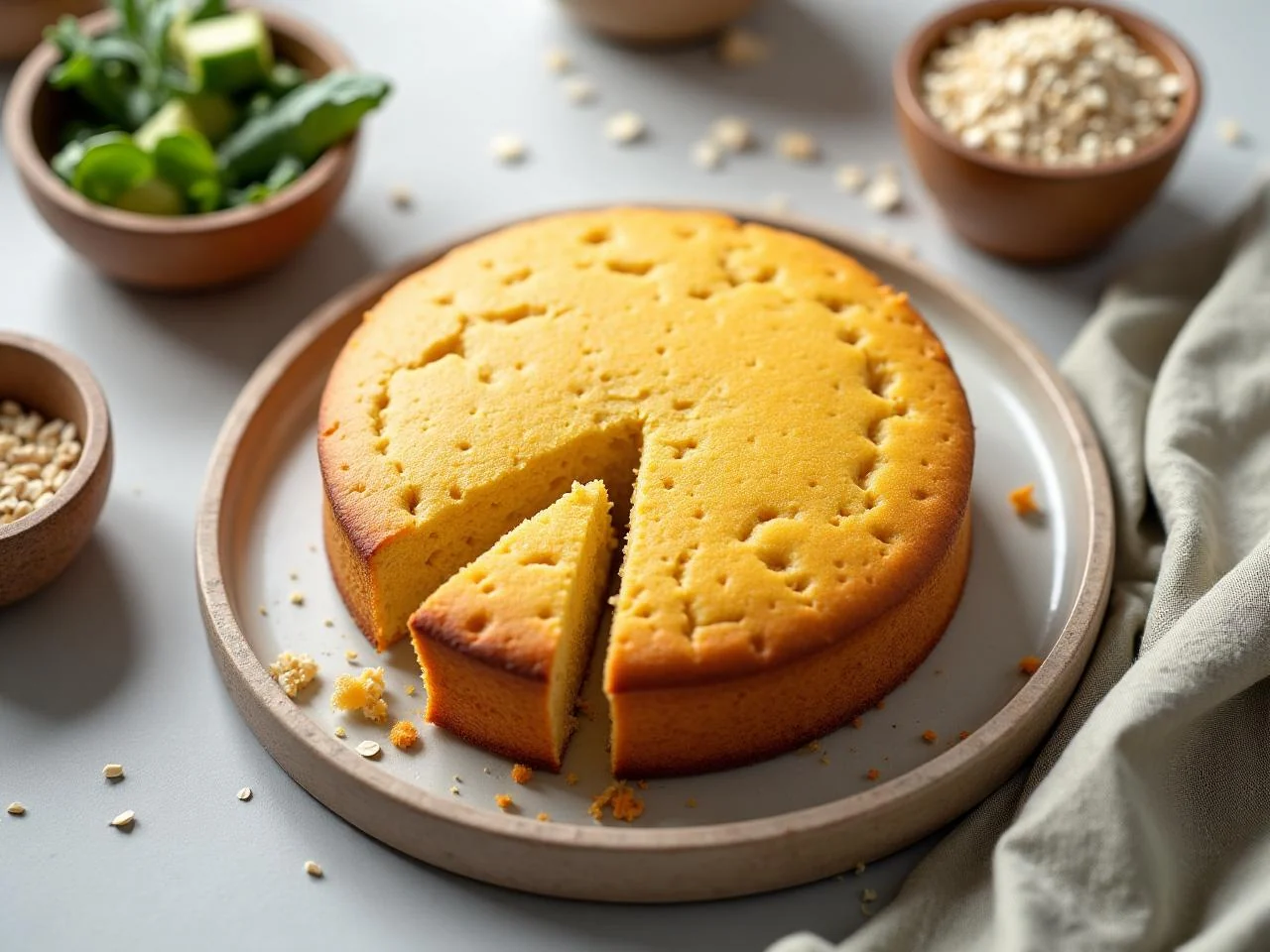
I still remember the first time I made gluten-free cornbread that actually tasted like the real deal. It was a revelation - moist, crumbly, and full of that sweet corn flavor I'd been missing since going gluten-free. As someone who's passionate about cooking and baking, I was determined to crack the code on gluten-free cornbread, and I'm excited to share my findings with you.
For me, the journey to gluten-free cornbread started with a diagnosis of celiac disease. At first, I felt like I was losing a part of myself - the part that loved to cook and bake for others. But as I began to explore the world of gluten-free cooking, I realized that it wasn't about restriction, but about creativity and experimentation. And that's exactly what this recipe is all about.
This gluten-free cornbread recipe is the result of months of testing and tweaking, and I'm confident that it will become a staple in your kitchen, just like it has in mine. Whether you're a seasoned baker or a beginner, this recipe is designed to be easy to follow and fun to make. And the best part? It's perfect for anyone with gluten intolerance or sensitivity, so you can enjoy the warm, comforting taste of cornbread without worrying about your diet.
So, who is this recipe for? It's for anyone who loves cornbread, of course, but also for those who are looking for a reliable and delicious gluten-free option. It's for busy weeknights, lazy Sundays, and everything in between. And it's for anyone who's ever felt like they're missing out on the joy of cooking and baking because of dietary restrictions.
In this recipe, we'll be using a combination of rice flour, tapioca starch, and xanthan gum to create a tender and crumbly texture that's similar to traditional cornbread. We'll also be using a 20-30 minute hydration rest to allow the starches to fully absorb the liquid and the crumb to set. And, of course, we'll be using plenty of fresh corn and a hint of sugar to give the cornbread that sweet and savory flavor we all know and love.
Why You’ll Love This Recipe
- This recipe is easy to make and requires minimal ingredients
- It's perfect for anyone with gluten intolerance or sensitivity
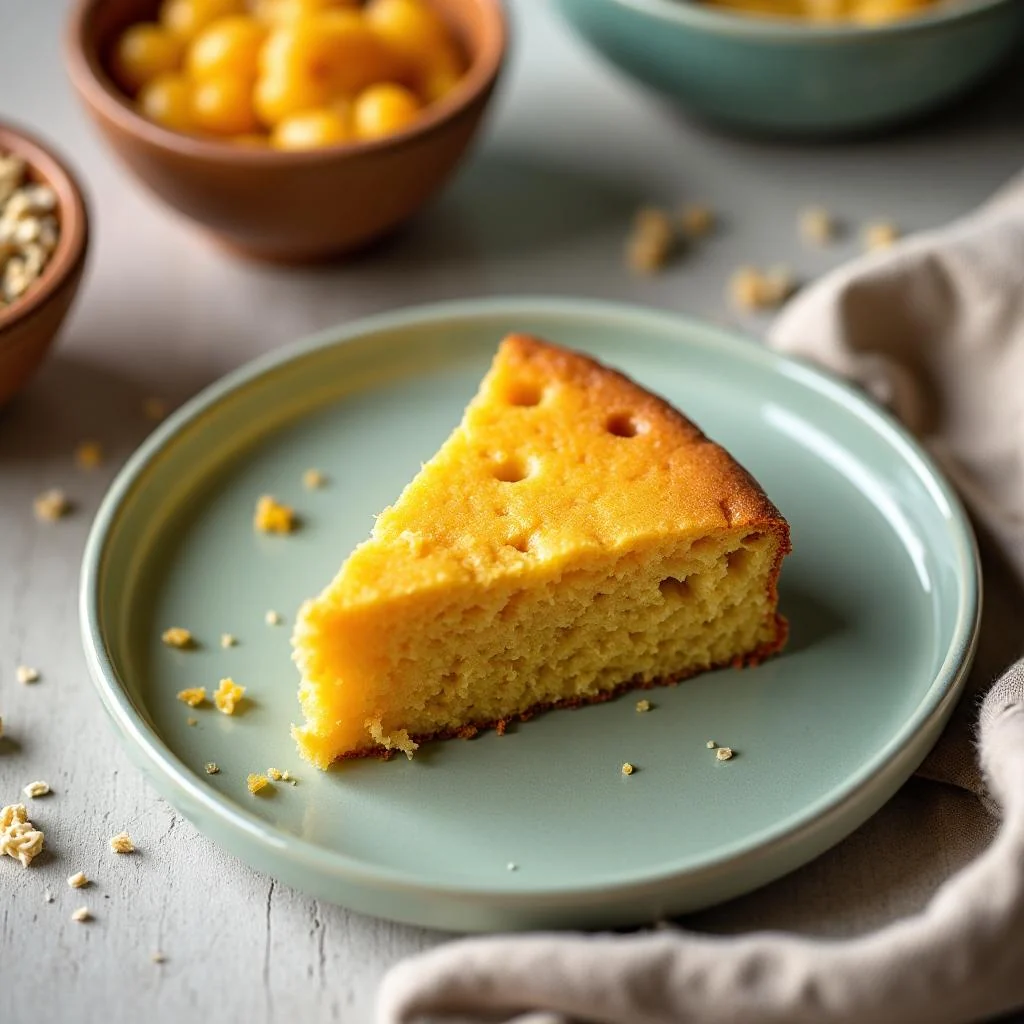
- The cornbread is moist and tender, with a delicious sweet and savory flavor
- It's a great side dish for a variety of meals, from breakfast to dinner
- You can easily customize the recipe to suit your tastes and dietary needs
- It's a fun and rewarding recipe to make, with a beautiful texture and presentation
Why This Recipe Works
The key to this gluten-free cornbread recipe is the combination of rice flour, tapioca starch, and xanthan gum. The rice flour provides structure and texture, while the tapioca starch helps to absorb excess moisture and create a tender crumb. The xanthan gum, meanwhile, helps to bind everything together and create a smooth, even texture.
Another important factor in this recipe is the hydration rest. By allowing the starches to fully absorb the liquid and the crumb to set, we can create a texture that's similar to traditional cornbread - tender, crumbly, and utterly delicious. And, of course, the use of fresh corn and a hint of sugar gives the cornbread that sweet and savory flavor we all know and love.
But what really sets this recipe apart is the attention to detail. From the careful measurement of ingredients to the gentle folding of the batter, every step is designed to create a cornbread that's not only delicious, but also visually appealing. And, with a few simple substitutions, you can easily make this recipe your own and adapt it to your dietary needs and preferences.
Ingredients You’ll Need
When it comes to making gluten-free cornbread, the ingredients are just as important as the technique. That's why I've carefully selected each ingredient to ensure that it's not only delicious, but also safe for those with gluten intolerance or sensitivity. From the rice flour and tapioca starch to the fresh corn and xanthan gum, every ingredient plays a crucial role in creating a tender, crumbly, and utterly delicious cornbread.
As you shop for ingredients, be sure to look for high-quality, gluten-free options. And, if you're new to gluten-free baking, don't be afraid to experiment and try new things. With a little practice and patience, you'll be making delicious gluten-free cornbread like a pro.
- 1 1/2 cups (190g) rice flourRice flour provides structure and texture to the cornbread, and is a great option for those with gluten intolerance or sensitivity. Look for a high-quality, gluten-free rice flour that is finely milled and has a light, airy texture.
- 1/2 cup (60g) tapioca starchTapioca starch helps to absorb excess moisture and create a tender crumb, and is a common ingredient in gluten-free baking. It's also a great option for those with gluten intolerance or sensitivity, and can be found in most health food stores or online.
- 1/4 cup (30g) granulated sugarGranulated sugar adds a touch of sweetness to the cornbread, and helps to balance out the savory flavors. Look for a high-quality, gluten-free sugar that is free from additives and preservatives.
- 2 teaspoons xanthan gumXanthan gum helps to bind the ingredients together and create a smooth, even texture. It's a common ingredient in gluten-free baking, and can be found in most health food stores or online.
- 1 teaspoon saltSalt enhances the flavors of the cornbread and helps to bring out the sweetness of the corn. Look for a high-quality, gluten-free salt that is free from additives and preservatives.
- 1/2 teaspoon baking sodaBaking soda helps to leaven the cornbread and create a light, airy texture. Look for a high-quality, gluten-free baking soda that is free from additives and preservatives.
- 1/2 teaspoon baking powderBaking powder helps to leaven the cornbread and create a light, airy texture. Look for a high-quality, gluten-free baking powder that is free from additives and preservatives.
- 1 cup (240ml) buttermilkButtermilk adds moisture and tenderness to the cornbread, and helps to create a smooth, even texture. Look for a high-quality, gluten-free buttermilk that is free from additives and preservatives.
- 2 large eggsEggs help to bind the ingredients together and create a rich, creamy texture. Look for high-quality, fresh eggs that are free from additives and preservatives.
- 2 tablespoons (30g) unsalted butter, meltedMelted butter adds flavor and moisture to the cornbread, and helps to create a tender, crumbly texture. Look for a high-quality, gluten-free butter that is free from additives and preservatives.
- 1 cup (115g) fresh or frozen corn kernelsFresh or frozen corn kernels add natural sweetness and texture to the cornbread, and help to create a delicious, savory flavor. Look for high-quality, gluten-free corn kernels that are free from additives and preservatives.
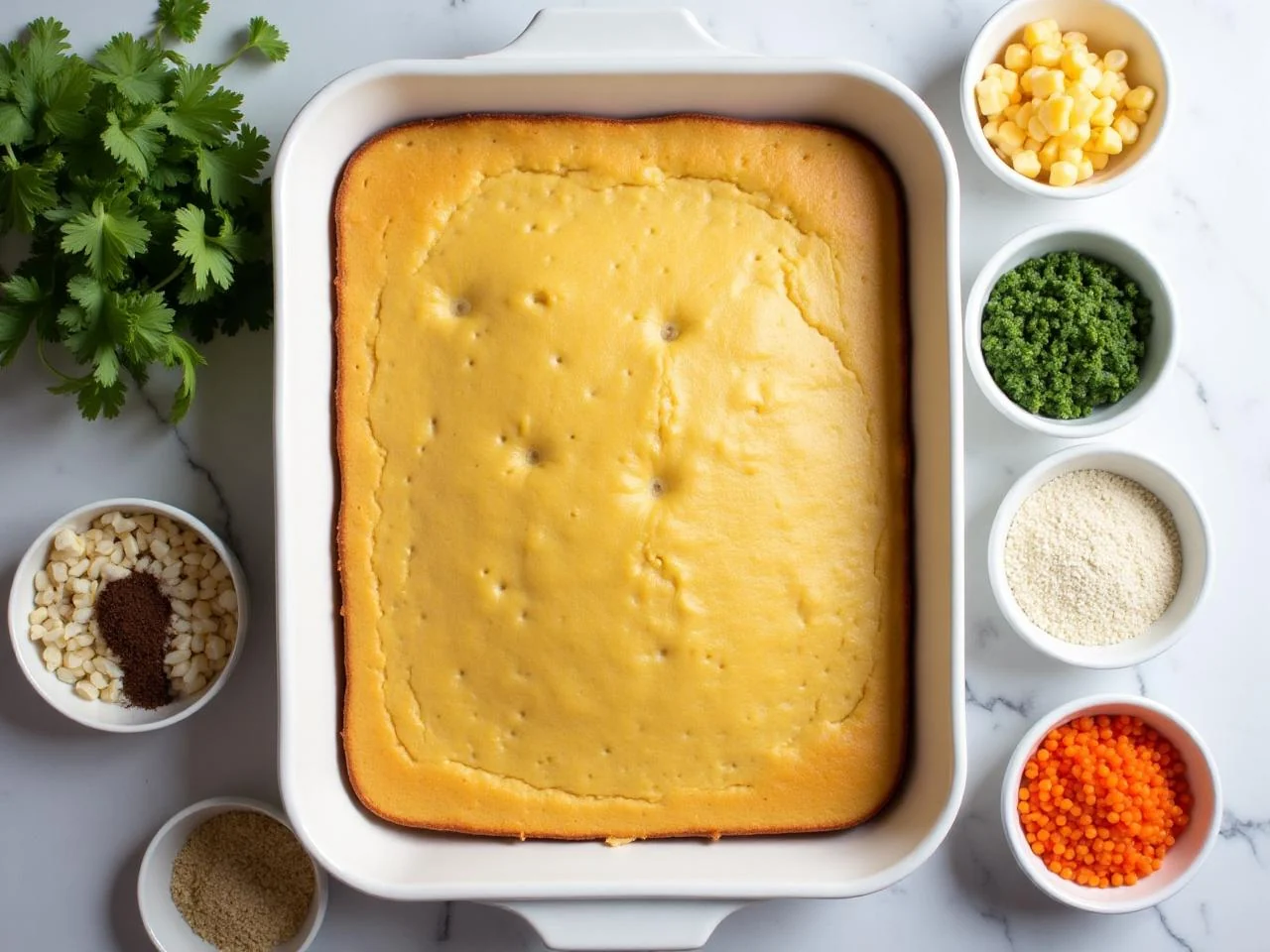
Equipment You’ll Need
How to Make Gluten-Free Cornbread
- 1Preheat your oven to 400°F (200°C) and grease the cake pan or baking dish with butter or cooking spray.
- 2In a large mixing bowl, whisk together the rice flour, tapioca starch, sugar, xanthan gum, salt, baking soda, and baking powder.
- 3In a separate bowl, whisk together the buttermilk, eggs, and melted butter.
- 4Add the wet ingredients to the dry ingredients and stir until just combined. Do not overmix.
- 5Fold in the corn kernels and any other desired mix-ins, such as diced jalapenos or chopped fresh herbs.
- 6Pour the batter into the prepared pan and smooth the top.
- 7Bake the cornbread for 20-25 minutes, or until it is golden brown and a toothpick inserted into the center comes out clean.
- 8Remove the cornbread from the oven and let it cool in the pan for 5-10 minutes.
- 9Transfer the cornbread to a wire rack to cool completely.
- 10Once the cornbread is cool, you can slice it and serve. You can also wrap it tightly in plastic wrap or aluminum foil and store it at room temperature for up to 3 days or freeze for up to 2 months.
- 11To reheat the cornbread, simply wrap it in foil and bake it in a preheated oven at 350°F (180°C) for 10-15 minutes, or until it is warm and crispy.
Expert Tips
- Use high-quality, gluten-free ingredients to ensure the best flavor and texture.
- Don't overmix the batter, as this can lead to a dense and tough cornbread.
- Use a combination of rice flour and tapioca starch for the best texture.
- Add-ins such as diced jalapenos or chopped fresh herbs can add flavor and interest to the cornbread.
- Let the cornbread cool completely before slicing and serving.
- Wrap the cornbread tightly in plastic wrap or aluminum foil to store or freeze.
- Reheat the cornbread in a preheated oven for the best flavor and texture.
- Experiment with different types of corn, such as sweet corn or popcorn, for unique flavors and textures.
Common Mistakes to Avoid
- Using low-quality or contaminated gluten-free ingredients can lead to a dense and tough cornbread.
- Overmixing the batter can result in a cornbread that is tough and dense.
- Not using enough liquid can lead to a dry and crumbly cornbread.
- Not letting the cornbread cool completely before slicing and serving can result in a cornbread that is crumbly and falls apart.
- Not wrapping the cornbread tightly in plastic wrap or aluminum foil can lead to a cornbread that becomes stale and dry.
- Reheating the cornbread in the microwave can result in a cornbread that is dry and tough.
Variations and Substitutions
- Add diced jalapenos or chopped fresh herbs for a spicy or savory twist.
- Use different types of corn, such as sweet corn or popcorn, for unique flavors and textures.
- Add cheese, such as cheddar or feta, for a rich and savory flavor.
- Use different types of milk, such as almond or soy milk, for a non-dairy version.
- Add nuts or seeds, such as pecans or sunflower seeds, for added texture and flavor.
- Use different types of sugar, such as honey or maple syrup, for a unique flavor.
What to Serve With Gluten-Free Cornbread
This gluten-free cornbread is perfect for serving alongside your favorite soups, stews, or chili. It's also a great side dish for breakfast or brunch, and can be served with a variety of toppings such as butter, jam, or honey. Try serving it with a hearty bowl of soup, such as creamy tomato or butternut squash, or with a fresh green salad and a citrus vinaigrette.
For a delicious and easy breakfast or brunch, try serving the cornbread with scrambled eggs, crispy bacon, and a side of fresh fruit. You can also use the cornbread as a base for a breakfast strata, layering it with eggs, cheese, and vegetables for a hearty and satisfying dish.
Make-Ahead, Storage, Freezing and Reheating
This gluten-free cornbread can be stored at room temperature for up to 3 days, or frozen for up to 2 months. To store, simply wrap the cornbread tightly in plastic wrap or aluminum foil and place it in an airtight container. To freeze, wrap the cornbread tightly in plastic wrap or aluminum foil and place it in a freezer-safe bag or container.
To reheat the cornbread, simply wrap it in foil and bake it in a preheated oven at 350°F (180°C) for 10-15 minutes, or until it is warm and crispy. You can also reheat it in the microwave, but be careful not to overheat it, as this can result in a dry and tough cornbread.
It's also a good idea to label and date the cornbread, so you can easily keep track of how long it's been stored. And, if you're planning to freeze the cornbread, be sure to use a freezer-safe bag or container to prevent freezer burn and other damage.
Frequently Asked Questions
What type of flour is best for gluten-free cornbread?
A combination of rice flour and tapioca starch is a good option for gluten-free cornbread, as it provides structure and texture. You can also experiment with other types of gluten-free flours, such as almond flour or coconut flour, for unique flavors and textures.
Can I use regular cornbread mix to make gluten-free cornbread?
No, regular cornbread mix contains gluten and is not suitable for those with gluten intolerance or sensitivity. Instead, use a gluten-free cornbread mix or make your own using gluten-free ingredients.
How do I know if my gluten-free cornbread is done?
Gluten-free cornbread is done when it is golden brown and a toothpick inserted into the center comes out clean. You can also check for doneness by inserting a knife or skewer into the center of the cornbread - if it comes out clean, the cornbread is done.
Can I freeze gluten-free cornbread?
Yes, gluten-free cornbread can be frozen for up to 2 months. Simply wrap the cornbread tightly in plastic wrap or aluminum foil and place it in a freezer-safe bag or container.
How do I reheat frozen gluten-free cornbread?
To reheat frozen gluten-free cornbread, simply wrap it in foil and bake it in a preheated oven at 350°F (180°C) for 10-15 minutes, or until it is warm and crispy. You can also reheat it in the microwave, but be careful not to overheat it, as this can result in a dry and tough cornbread.
Can I make gluten-free cornbread in a skillet?
Yes, you can make gluten-free cornbread in a skillet. Simply grease the skillet with butter or cooking spray and pour in the batter. Cook the cornbread over medium heat for 5-7 minutes, or until the bottom is golden brown, then flip and cook for an additional 5-7 minutes, or until the other side is also golden brown.
What is the best way to store gluten-free cornbread?
The best way to store gluten-free cornbread is to wrap it tightly in plastic wrap or aluminum foil and place it in an airtight container. You can store it at room temperature for up to 3 days or freeze it for up to 2 months.
Can I make gluten-free cornbread ahead of time?
Yes, you can make gluten-free cornbread ahead of time. Simply prepare the batter and pour it into a greased pan or skillet, then refrigerate or freeze it until you're ready to bake. You can also bake the cornbread ahead of time and store it at room temperature or freeze it for later use.
Ingredients
- 1 1/2 cups (190g) rice flour
- 1/2 cup (60g) tapioca starch
- 1/4 cup (30g) granulated sugar
- 2 teaspoons xanthan gum
- 1 teaspoon salt
- 1/2 teaspoon baking soda
- 1/2 teaspoon baking powder
- 1 cup (240ml) buttermilk
- 2 large eggs
- 2 tablespoons (30g) unsalted butter, melted
- 1 cup (115g) fresh or frozen corn kernels
Instructions
- Preheat your oven to 400°F (200°C) and grease the cake pan or baking dish with butter or cooking spray.
- In a large mixing bowl, whisk together the rice flour, tapioca starch, sugar, xanthan gum, salt, baking soda, and baking powder.
- In a separate bowl, whisk together the buttermilk, eggs, and melted butter.
- Add the wet ingredients to the dry ingredients and stir until just combined. Do not overmix.
- Fold in the corn kernels and any other desired mix-ins, such as diced jalapenos or chopped fresh herbs.
- Pour the batter into the prepared pan and smooth the top.
- Bake the cornbread for 20-25 minutes, or until it is golden brown and a toothpick inserted into the center comes out clean.
- Remove the cornbread from the oven and let it cool in the pan for 5-10 minutes.
- Transfer the cornbread to a wire rack to cool completely.
- Once the cornbread is cool, you can slice it and serve. You can also wrap it tightly in plastic wrap or aluminum foil and store it at room temperature for up to 3 days or freeze for up to 2 months.
- To reheat the cornbread, simply wrap it in foil and bake it in a preheated oven at 350°F (180°C) for 10-15 minutes, or until it is warm and crispy.