
Pan-Seared Salmon with Lemon and Dill
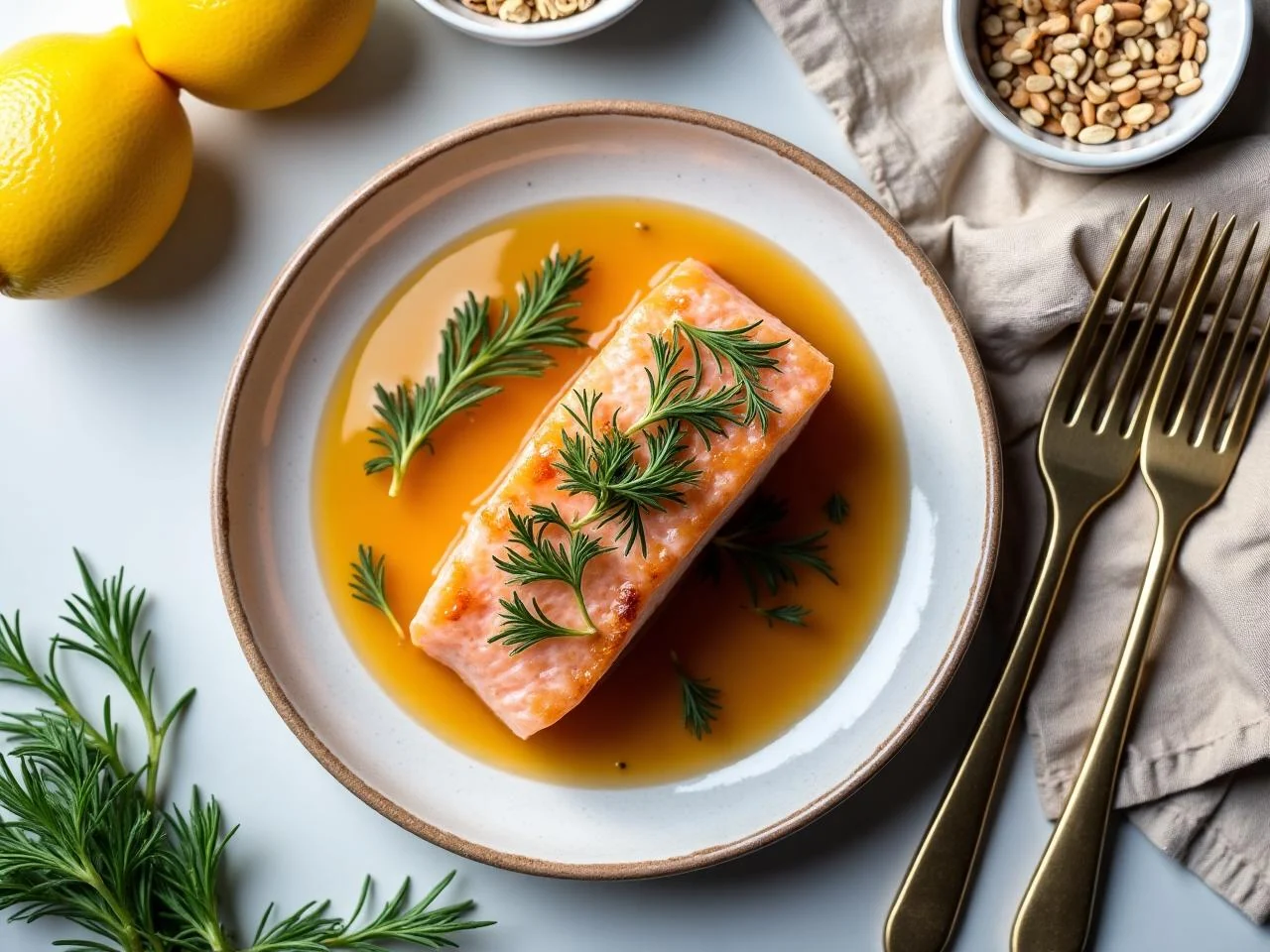
I still remember the first time I made pan-seared salmon with lemon and dill. It was a weeknight dinner, and I was looking for something quick and easy to make. I had all the ingredients on hand, and it turned out to be one of the most delicious and moist salmon dishes I had ever made.
As someone who has been living with celiac disease for several years, I have learned to adapt my cooking to accommodate my dietary needs. I have found that using gluten-free ingredients and techniques can be just as flavorful and satisfying as traditional cooking methods.
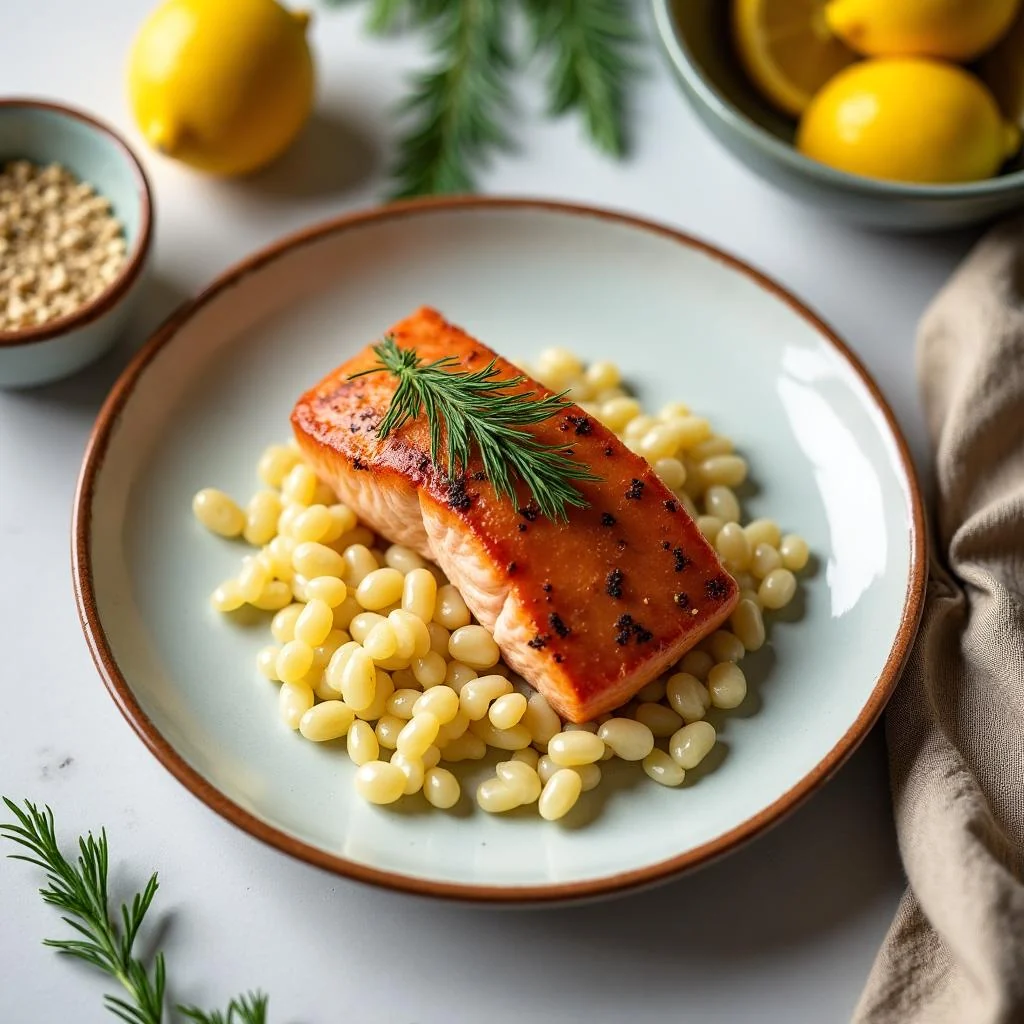
This recipe for pan-seared salmon with lemon and dill is a staple in my household. It's easy to make, and the combination of the crispy skin, the tender flesh, and the bright, citrusy flavor of the lemon and dill is absolutely irresistible.
One of the things I love about this recipe is that it's perfect for any occasion. Whether you're cooking for a weeknight dinner or a special occasion, this dish is sure to impress. And the best part is that it's incredibly easy to make, even for a beginner.
In this recipe, I'll show you how to make a delicious and moist pan-seared salmon with lemon and dill, using gluten-free ingredients and techniques. I'll take you through each step of the process, from preparing the ingredients to serving the final dish. So let's get started!
Why You’ll Love This Recipe
- This recipe is easy to make and requires minimal ingredients
- It's perfect for a weeknight dinner or special occasion
- The combination of lemon and dill adds a bright, citrusy flavor to the dish
- The gluten-free flour helps to create a crispy crust on the salmon
- The recipe is highly customizable to suit your tastes and dietary needs
- It's a great way to get your daily dose of omega-3 fatty acids and other essential nutrients
Why This Recipe Works
The key to making a great pan-seared salmon with lemon and dill is to use high-quality ingredients and to cook the salmon at the right temperature. The lemon and dill add a bright, citrusy flavor to the dish, while the gluten-free flour helps to create a crispy crust on the salmon.
Another important factor is the cooking time and temperature. Cooking the salmon at a medium-high heat helps to create a crispy crust on the outside, while keeping the inside moist and tender. And by using an instant-read thermometer to check the internal temperature of the salmon, you can ensure that it's cooked to a safe internal temperature of 145 F (63 C).
Finally, the resting time is crucial in allowing the salmon to retain its moisture and flavor. By letting the salmon rest for a few minutes before serving, you can ensure that the juices are redistributed throughout the fish, making it even more tender and flavorful.
Overall, the combination of high-quality ingredients, proper cooking techniques, and attention to detail makes this recipe for pan-seared salmon with lemon and dill a truly special dish.
Ingredients You’ll Need
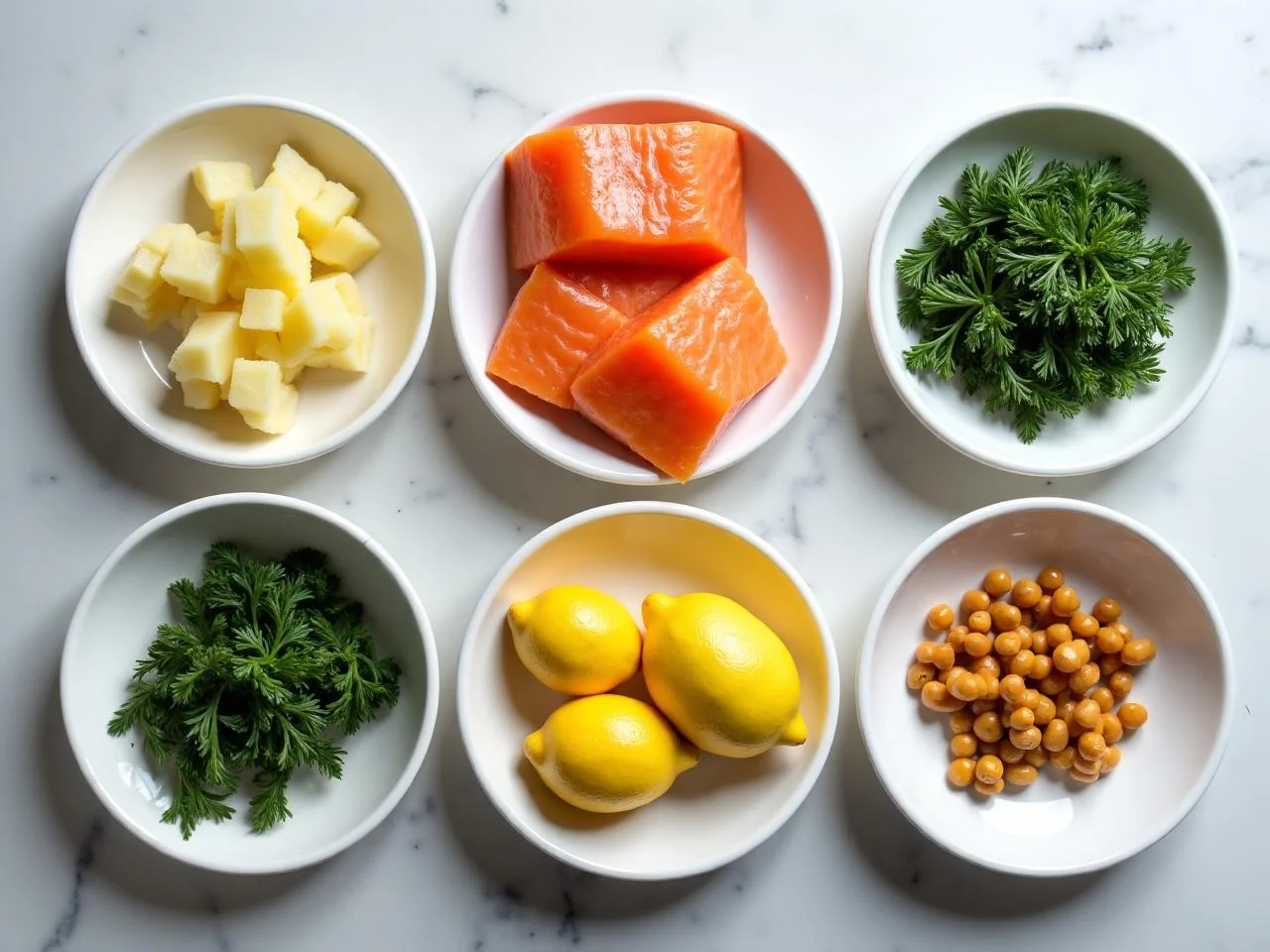
To make this recipe, you'll need a few simple ingredients, including salmon fillets, lemon, dill, gluten-free flour, and olive oil. You'll also need some basic pantry staples, such as salt, pepper, and garlic powder.
When shopping for the ingredients, be sure to choose fresh and high-quality items. Look for wild-caught salmon fillets that are rich in color and have a firm texture. Fresh dill is also essential, as it adds a bright and citrusy flavor to the dish.
- 4 salmon fillets (6 oz each)Look for wild-caught salmon fillets that are rich in color and have a firm texture. You can also use other types of fish, such as cod or tilapia, but salmon works best for this recipe.
- 1/4 cup gluten-free flourUse a high-quality gluten-free flour that is made from a combination of rice flour, tapioca starch, and xanthan gum. This will help to create a crispy crust on the salmon.
- 2 lemons, slicedUse fresh lemons that are rich in juice and have a bright, citrusy flavor. You can also use bottled lemon juice as a substitute, but fresh lemons work best.
- 1/4 cup fresh dill, choppedUse fresh dill that is rich in flavor and has a bright, citrusy aroma. You can also use dried dill as a substitute, but fresh dill works best.
- 2 tbsp olive oilUse a high-quality olive oil that is rich in flavor and has a smooth texture. You can also use other types of oil, such as avocado oil or grapeseed oil, but olive oil works best for this recipe.
- 2 cloves garlic, mincedUse fresh garlic that is rich in flavor and has a pungent aroma. You can also use bottled garlic as a substitute, but fresh garlic works best.
- 1 tsp saltUse a high-quality salt that is rich in flavor and has a smooth texture. You can also use other types of salt, such as sea salt or kosher salt, but regular salt works best for this recipe.
- 1/2 tsp black pepperUse a high-quality black pepper that is rich in flavor and has a smooth texture. You can also use other types of pepper, such as white pepper or green pepper, but black pepper works best for this recipe.
- 1/4 tsp garlic powderUse a high-quality garlic powder that is rich in flavor and has a smooth texture. You can also use other types of garlic powder, such as roasted garlic powder or smoked garlic powder, but regular garlic powder works best for this recipe.
- 1/4 tsp paprikaUse a high-quality paprika that is rich in flavor and has a smooth texture. You can also use other types of paprika, such as smoked paprika or sweet paprika, but regular paprika works best for this recipe.
Equipment You’ll Need
How to Make Pan-Seared Salmon with Lemon and Dill
- 1Preheat the skillet or sauté pan over medium-high heat. Add the olive oil and let it heat up for about 1-2 minutes.
- 2In a shallow dish, mix together the gluten-free flour, salt, black pepper, garlic powder, and paprika. Coat the salmon fillets with the flour mixture, shaking off any excess.
- 3Add the salmon fillets to the skillet, skin side up (if they have skin). Cook for about 3-4 minutes, or until the skin is crispy and golden brown.
- 4Flip the salmon fillets over and cook for another 3-4 minutes, or until they reach an internal temperature of 145 F (63 C). Use an instant-read thermometer to check the internal temperature, inserting it into the thickest part of the salmon.
- 5Remove the salmon from the skillet and place it on a plate. Let it rest for about 2-3 minutes, allowing the juices to redistribute throughout the fish.
- 6While the salmon is resting, add the sliced lemons to the skillet. Cook for about 1-2 minutes, or until they are slightly caramelized and fragrant.
- 7Add the chopped fresh dill to the skillet and cook for another minute, stirring constantly. The dill should be slightly wilted and fragrant.
- 8To serve, place the salmon fillets on a plate and top with the lemon and dill mixture. You can also serve with your favorite sides, such as roasted vegetables or quinoa.
- 9Garnish with additional fresh dill, if desired. Serve immediately and enjoy!
Expert Tips
- Make sure to not overcrowd the skillet, as this can lower the temperature and affect the cooking time. Cook the salmon fillets in batches if necessary.
- Don't overcook the salmon, as this can make it dry and tough. Use an instant-read thermometer to ensure that it reaches a safe internal temperature.
- Let the salmon rest for a few minutes before serving, as this allows the juices to redistribute throughout the fish.
- Experiment with different seasonings and herbs to add more flavor to the dish. For example, you can add some dried thyme or rosemary to the flour mixture for a more savory flavor.
- Use fresh and high-quality ingredients to ensure the best flavor and texture. Fresh lemons and dill make a big difference in this recipe.
- Don't be afraid to get creative with the recipe and add your own twist. For example, you can add some sliced onions or bell peppers to the skillet with the lemons and dill for added flavor and texture.
- Make sure to clean and sanitize the skillet and utensils after cooking to prevent cross-contamination and foodborne illness.
Common Mistakes to Avoid
- Overcooking the salmon, which can make it dry and tough.
- Not using an instant-read thermometer to check the internal temperature of the salmon.
- Not letting the salmon rest for a few minutes before serving, which can affect the texture and flavor.
- Not using fresh and high-quality ingredients, which can affect the flavor and texture of the dish.
- Not cleaning and sanitizing the skillet and utensils after cooking, which can lead to cross-contamination and foodborne illness.
Variations and Substitutions
- Adding some sliced onions or bell peppers to the skillet with the lemons and dill for added flavor and texture.
- Using different types of fish, such as cod or tilapia, instead of salmon.
- Adding some dried thyme or rosemary to the flour mixture for a more savory flavor.
- Using bottled lemon juice instead of fresh lemons.
- Adding some chopped garlic or shallots to the skillet with the lemons and dill for added flavor.
- Serving the salmon with a side of quinoa or roasted vegetables for a more filling meal.
What to Serve With Pan-Seared Salmon with Lemon and Dill
This pan-seared salmon with lemon and dill is a delicious and flavorful dish that can be served with a variety of sides. Some ideas include roasted vegetables, quinoa, or a salad with mixed greens and a citrus vinaigrette.
You can also serve the salmon with a side of rice or roasted potatoes for a more filling meal. The key is to find a balance of flavors and textures that complement the salmon without overpowering it.
Make-Ahead, Storage, Freezing and Reheating
Once the salmon is cooked, it can be stored in the refrigerator for up to 3 days. Simply place the salmon in an airtight container and refrigerate it at a temperature of 40 F (4 C) or below.
To freeze the salmon, place it in a freezer-safe bag or container and store it in the freezer at a temperature of 0 F (-18 C) or below. The salmon can be frozen for up to 3 months.
To reheat the salmon, simply place it in the oven at a temperature of 350 F (180 C) for about 10-15 minutes, or until it reaches an internal temperature of 145 F (63 C). You can also reheat the salmon in the microwave, but be careful not to overcook it.
It's also important to note that the salmon should be thawed before reheating. Simply place the frozen salmon in the refrigerator overnight and let it thaw slowly. Once thawed, the salmon can be reheated as desired.
Frequently Asked Questions
What type of fish works best for this recipe?
Salmon works best for this recipe, but you can also use other types of fish, such as cod or tilapia. Just be sure to adjust the cooking time and temperature accordingly.
How do I know if the salmon is cooked to a safe internal temperature?
Use an instant-read thermometer to check the internal temperature of the salmon. The internal temperature should be at least 145 F (63 C) to ensure food safety.
Can I use bottled lemon juice instead of fresh lemons?
Yes, you can use bottled lemon juice instead of fresh lemons. However, keep in mind that fresh lemons have a brighter, more citrusy flavor that may be lost with bottled juice.
How do I prevent the salmon from sticking to the skillet?
Make sure the skillet is hot before adding the salmon, and use a small amount of oil to prevent sticking. You can also use a non-stick skillet or a cast-iron skillet with a small amount of oil.
Can I serve the salmon with a side of rice or roasted vegetables?
Yes, the salmon pairs well with a variety of sides, including rice, roasted vegetables, or a salad with mixed greens and a citrus vinaigrette.
How do I store the cooked salmon in the refrigerator?
Place the cooked salmon in an airtight container and refrigerate it at a temperature of 40 F (4 C) or below. The salmon can be stored for up to 3 days.
Can I freeze the cooked salmon?
Yes, the cooked salmon can be frozen for up to 3 months. Simply place the salmon in a freezer-safe bag or container and store it in the freezer at a temperature of 0 F (-18 C) or below.
How do I reheat the frozen salmon?
To reheat the frozen salmon, simply place it in the oven at a temperature of 350 F (180 C) for about 10-15 minutes, or until it reaches an internal temperature of 145 F (63 C). You can also reheat the salmon in the microwave, but be careful not to overcook it.
Ingredients
- 4 salmon fillets (6 oz each)
- 1/4 cup gluten-free flour
- 2 lemons, sliced
- 1/4 cup fresh dill, chopped
- 2 tbsp olive oil
- 2 cloves garlic, minced
- 1 tsp salt
- 1/2 tsp black pepper
- 1/4 tsp garlic powder
- 1/4 tsp paprika
Instructions
- Preheat the skillet or sauté pan over medium-high heat. Add the olive oil and let it heat up for about 1-2 minutes.
- In a shallow dish, mix together the gluten-free flour, salt, black pepper, garlic powder, and paprika. Coat the salmon fillets with the flour mixture, shaking off any excess.
- Add the salmon fillets to the skillet, skin side up (if they have skin). Cook for about 3-4 minutes, or until the skin is crispy and golden brown.
- Flip the salmon fillets over and cook for another 3-4 minutes, or until they reach an internal temperature of 145 F (63 C). Use an instant-read thermometer to check the internal temperature, inserting it into the thickest part of the salmon.
- Remove the salmon from the skillet and place it on a plate. Let it rest for about 2-3 minutes, allowing the juices to redistribute throughout the fish.
- While the salmon is resting, add the sliced lemons to the skillet. Cook for about 1-2 minutes, or until they are slightly caramelized and fragrant.
- Add the chopped fresh dill to the skillet and cook for another minute, stirring constantly. The dill should be slightly wilted and fragrant.
- To serve, place the salmon fillets on a plate and top with the lemon and dill mixture. You can also serve with your favorite sides, such as roasted vegetables or quinoa.
- Garnish with additional fresh dill, if desired. Serve immediately and enjoy!